method
How to Turn Random Ingredients Into Dinner
Inventory what you have, assign each ingredient a role, and choose a flexible dinner format that makes sense.
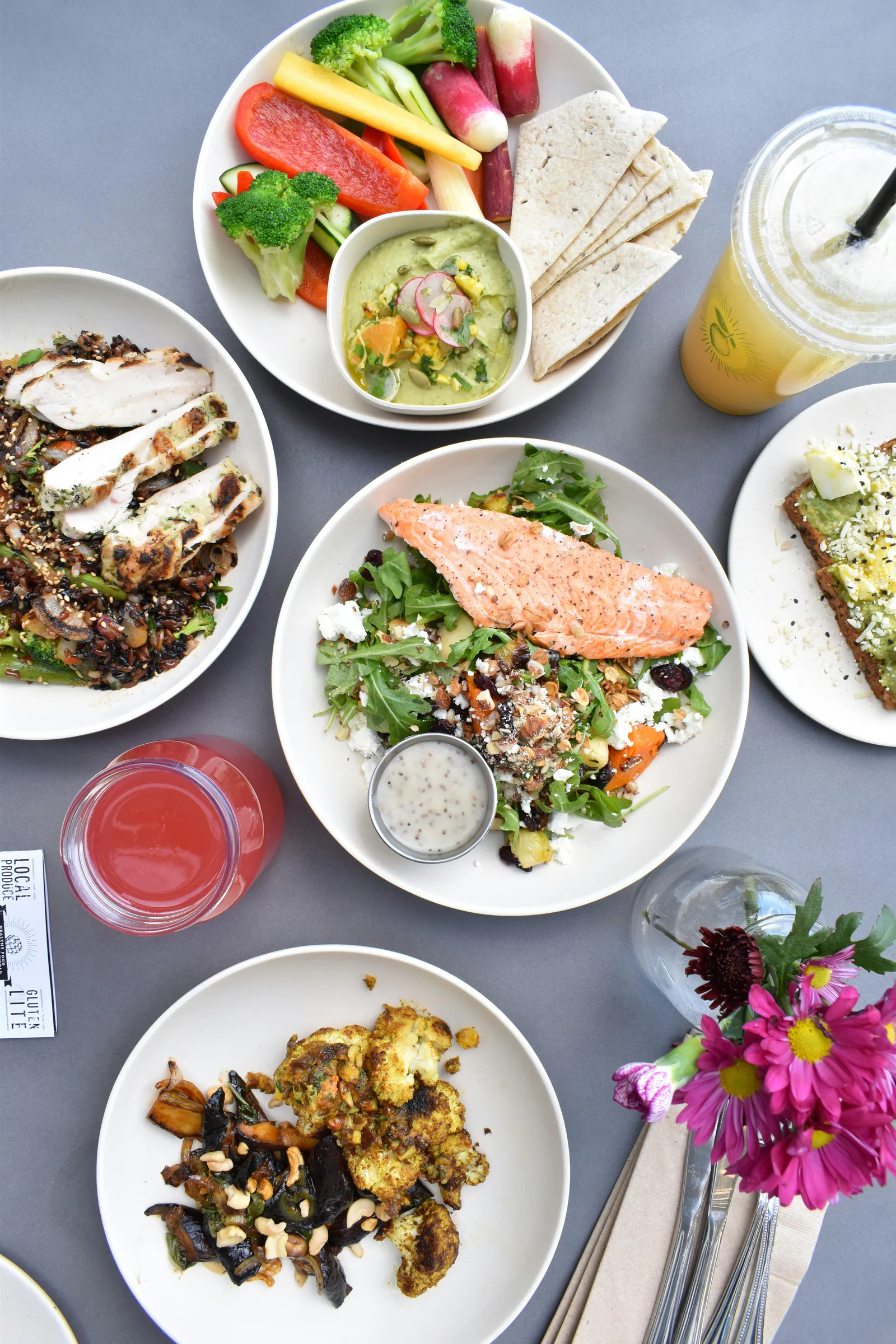
Random ingredients become dinner when you stop treating them as a list and start assigning jobs. You do not need every category represented perfectly. You need a coherent format, enough substance, and a clear flavor direction.
Take inventory in four passes
First, find food that must be used soon:
- cooked leftovers
- thawed meat
- open dairy
- soft vegetables
- herbs
Second, find a base:
- rice
- pasta
- potatoes
- bread
- tortillas
- another grain
Third, find substance:
- beans
- lentils
- eggs
- tofu
- cheese
- canned fish
- meat
Last, check the flavor shelf for aromatics:
- spices
- sauces
- pickles
- acids
Choose one urgent ingredient to lead, such as a protein. Do not force every ingredient that needs to get used into the same meal.
Pick a format that tolerates variation
- Soup or stew accepts uneven vegetables, beans, cooked grains, and small amounts of meat. Leftover veggies from salads, serving of rice, or grilled chicken breasts are great for small pots of soup.
- Skillet or hash suits cooked potatoes, rice, sturdy vegetables, eggs, and leftovers that can brown. Skillets can very quick with tossing ingredients into the pan in waves, creating new dishes. Hashes are great for filling breakfasts and on-the-go snack wraps.
- Pasta or grain bowl needs a flavorful sauce or dressing to connect separate components. Avoid overloading grain bowls with hearty vegetables. Balance polar opposite textures - crunchy/chewy, to get a more balanced, filling meal that isn't a chore to eat.
- Tacos, wraps, or toast make a modest filling feel deliberate when paired with a crisp or acidic finish. Tacos, wraps, and burritos are very fast flavor packed snacks. Do not load with large amounts of cheese or dressing/sauce as these can overwhelm other flavors rather easily.
- Frittata or scramble uses small quantities well, provided watery vegetables are cooked first. Cooked vegetables and proteins only need to be warmed up to acceptable temperatures.
- Casseroles can take whole meals, redefine them, and stretch leftovers. Proteins and vegetable combined with cheap boxed stuffing. The herbs and spices in the stuffing can also give blander meals more flavor.
Create one flavor direction
Pick a short, compatible set:
- tomato, garlic, and oregano
- cumin, chile, and lime
- mustard, herbs, and vinegar
- soy sauce, ginger, and scallion
More condiments do not create more coherence. Use high-impact ingredients sparingly and give them time after adding to allow the flavors to spead throughout the dish.
Cook by time and moisture
Brown raw meat first and remove it if necessary. Meat resting after cooking is an integral part of the cooking process, as resting meat retains more of the juices and allows the muscle fibers to relax, improving the texture.
Cook dense vegetables before delicate ones. Evaporate water from mushrooms, greens, or zucchini before adding a sauce. Add already-cooked ingredients near the end so they warm without becoming mushy.
If the result feels like disconnected pieces, add a bridge:
- broth reduced with aromatics
- spoonful of plain yogurt
- quick vinaigrette
- tomato sauce
- starchy cooking water with fat
If it tastes heavy, add an acid such lemon or lime. If it feels thin, add a crunchy finish such as homemade croutons, fried onions, or toasted nuts.
For a more repeatable planning framework, continue with How to Build a Cheap Meal Without a Recipe.