method
How to Plan Dinners That Use the Same Ingredients
Create ingredient overlap without repetitive meals by planning flexible components, flavor directions, and use order.
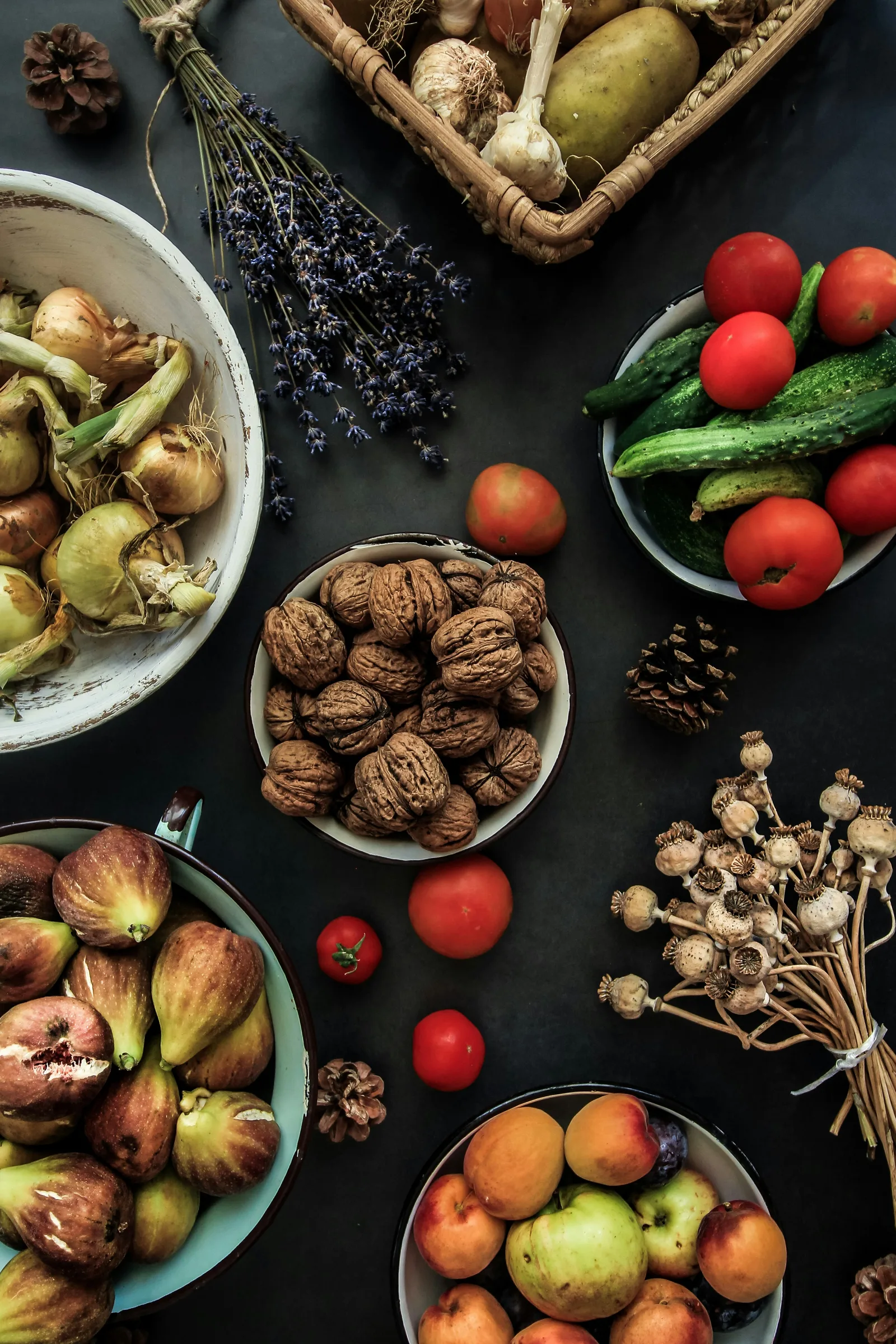
Ingredient overlap saves money when one purchase performs several jobs. It becomes boring only when you repeat the same finished dish. Plan shared building blocks, then change format, texture, and finish.
Choose two anchors
Start with two main dinners that share three to five ingredients. For example, chicken thighs, cabbage, carrots, onions, rice, and yogurt can become a roasted dinner and later a rice bowl. Beans, canned tomatoes, spinach, onions, and pasta can become soup and then a thick pasta sauce.
Avoid planning seven unrelated recipes. Each specialty ingredient creates another chance for waste.
Give ingredients more than one role
An onion can begin a braise, become a raw garnish, or roast beside vegetables. Yogurt can marinate meat, loosen into sauce, or finish a soup. Cabbage can roast, sauté, or become slaw.
Cook some components neutrally. A heavily seasoned pot of rice has fewer next-day options than plain rice served with a strongly flavored topping.
Change the eating experience
Move from plate to bowl, crisp to soft, warm to cool, or whole to chopped. Roast vegetables one night and fold them into a frittata the next. Serve beans intact in a bowl, then mash them for toast or a filling.
Schedule by perishability
Use fish, delicate greens, herbs, ripe fruit, and opened dairy early. Save cabbage, carrots, root vegetables, frozen foods, and dried goods for later. Freeze planned extra portions on cooking day rather than waiting until everyone is tired of them.
Keep one open night for leftovers or changed plans. A schedule with no slack creates waste the first time dinner moves.
A simple three-dinner map
Dinner one: roasted chicken thighs, cabbage, carrots, and rice with yogurt sauce. Dinner two: chopped chicken and vegetables folded into rice with a different spice blend. Dinner three: remaining cabbage and carrots become a slaw beside bean-filled wraps.
The meals overlap without becoming copies. Use How to Shop for Groceries Like a Restaurant Cook to turn the map into a practical list.