method
How to Build a Cheap Meal Without a Recipe
Use a five-part framework to turn affordable ingredients and leftovers into a complete meal.
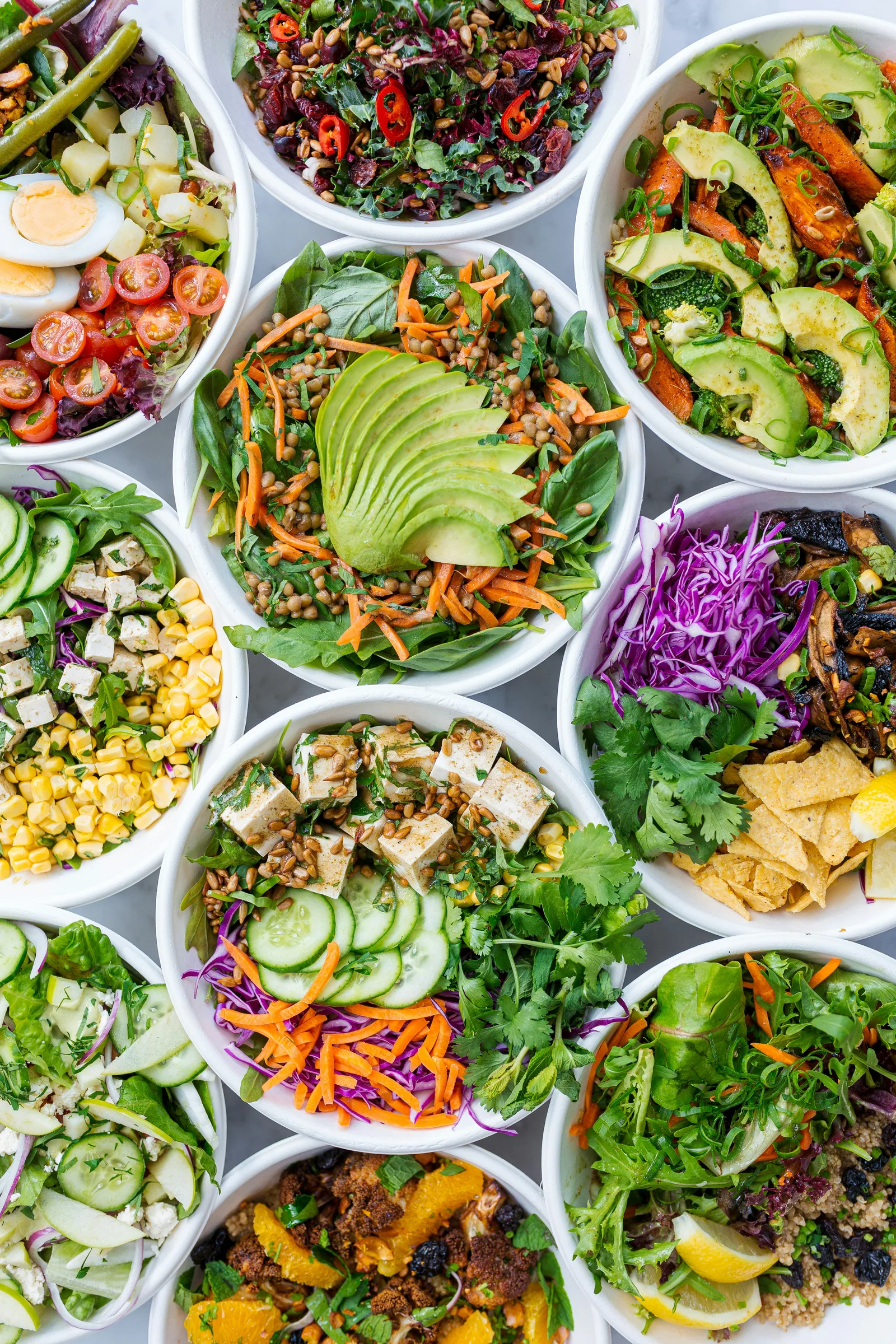
A recipe asks you to acquire its ingredient list and follow steps in order. A meal framework begins with what you own and gives each ingredient a job. Recipes aren't great when you are standing in front of the fridge or pantry with a handful of different ingredients.
Most meals you are familiar with have great ratios of these parts, which is why they can be considered meal families. You can see this stretch across different cuisines as well - Arroz con Pollo, Chicken Stir Fry, and Chicken Pilaf all use the same framework but achieve different outcomes.
The five parts
A base carries the meal: rice, pasta, potatoes, bread, tortillas, oats, or another grain.
A substantial component supplies body: beans, lentils, eggs, tofu, canned fish, dairy, or a modest amount of meat.
A flavor direction prevents the meal from becoming an accidental mixture. Choose a small family of aromatics, spices, condiments, and cooking fats that belong together.
Vegetables add volume, flavor, and contrast. Fresh, frozen, and canned all count.
A finish adds what cooking muted: acid, herbs, crisp crumbs, pickles, raw onion, yogurt, or a flavorful oil.
Begin with your base and main component - beef and potato, chicken and rice, pork and beans, etc. These two ingredients should be balanced at a ratio of around 1.5:1 or 2:1, depending on the protein cut and cost. More expensive components such as beef and other proteins can be on the lower range for more budget-friendly meals.
Then decide the flavor direction you would like for the dish. For chicken and rice: onion, garlic, cumin, tomato and lime lead to Arroz con Pollo. Garlic, ginger, scallions, and soy lead to Stir Fry. Celery, carrot, onion, turmeric, and thyme lead to Chicken Pilaf.
Build in the right order
- Check ingredients that need using first.
- Choose a base you can cook with the equipment and energy available.
- Select one substantial component, then decide whether it should remain distinct or become part of a sauce or filling.
- Pick vegetables that can share the same pan or cooking liquid.
- Commit to one flavor direction.
- Reserve a contrasting finish.
Three examples
- Rice, lentils, browned onions, cumin, and vinegar become a warm bowl
- Pasta, white beans, frozen spinach, garlic, and lemon become a quick skillet meal
- Potatoes, eggs, cabbage, mustard, and crisp crumbs become a hash
These are not blank checks. If you combine every leftover in your fridge, the flavors blur and textures can compete. Use fewer ingredients with clearer roles. Save a sharp finish to add contrast.
Prevent waste without eating the same plate
Cook larger batches of neutral building blocks, then change the finish for each particular dish. Plain beans can move toward tomato and oregano, curry spices, or mustard and herbs on different days. Keep high-impact garnishes separate so reheated food tastes newly assembled with little effort.
When the meal feels sparse
Increase the base and vegetables, but protect savory intensity. Brown the substantial component well, use its cooking fat, and distribute it through the meal. The next lesson, How to Stretch Meat Without Making Dinner Feel Sparse, explains that technique in detail.