lesson
How to Shop for Groceries Like a Restaurant Cook
Plan around overlap, usable yield, shelf life, and the meals your week can realistically support.
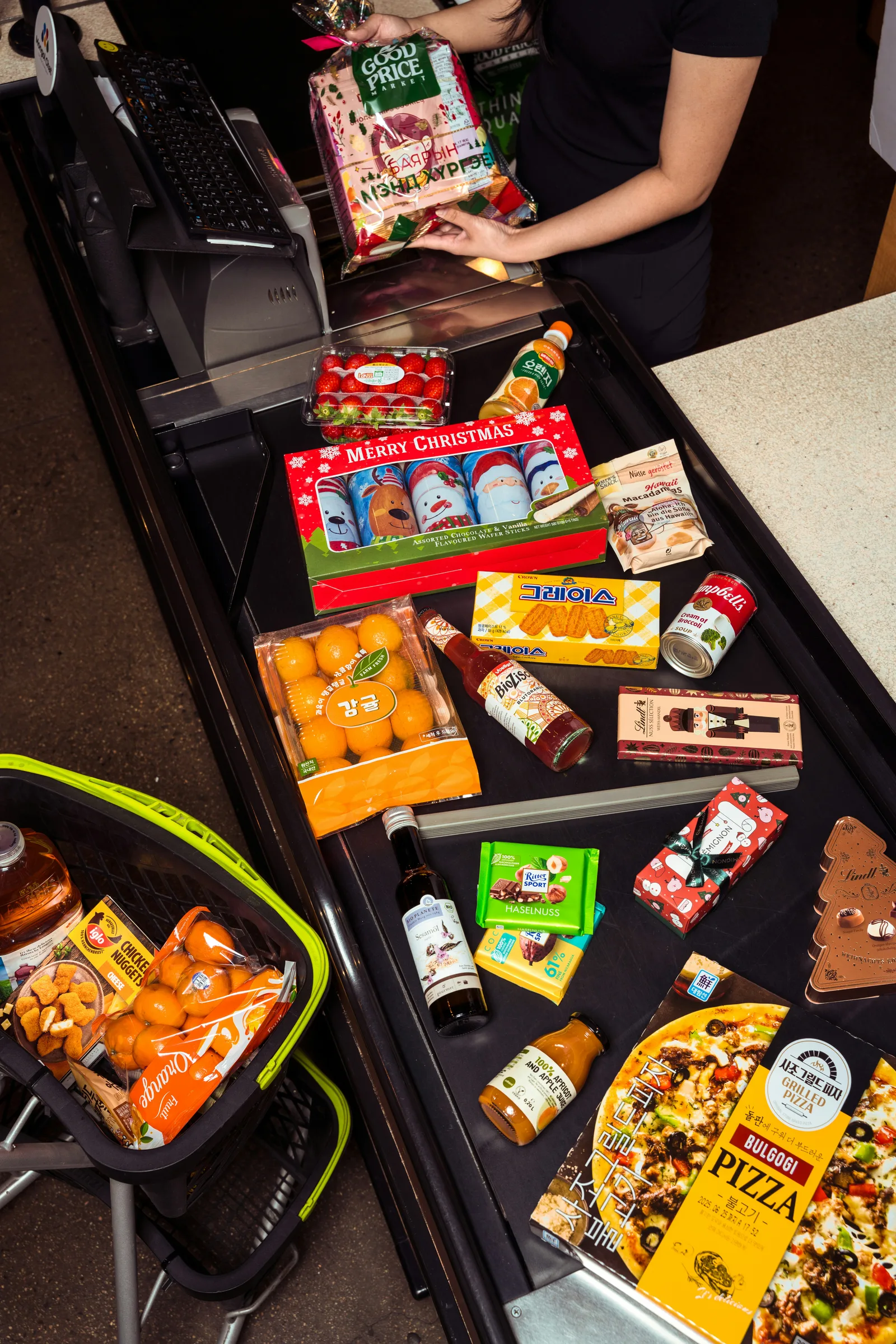
Restaurant purchasing is not about buying the cheapest case. It is about buying ingredients that can be used completely, on time, across a deliberate set of dishes. Home shopping benefits from the same discipline at a smaller scale.
Begin with the week you actually have
Count the nights you can cook, the nights that need leftovers, and the meals already committed elsewhere. A seven-dinner plan is wasteful when only four dinners will happen at home.
Choose two anchor meals that create useful components, not merely leftovers. A pot of beans can support bowls, soup, and a mashed filling. Roasted chicken thighs can become dinner, then a small amount of meat for rice or pasta.
Judge usable cost
A low sticker price is not a bargain if half the package spoils or is discarded. Compare the amount you will actually eat. Boneless meat may cost more per pound but lose less to bones; bone-in meat can still win when the bones and cooking liquid become stock.
Frozen vegetables often offer excellent usable yield because you cook only what you need. Cabbage, carrots, onions, potatoes, and sturdy greens usually provide more scheduling flexibility than delicate salad greens.
Buy overlap, not repetition
Overlap means one ingredient has several roles. Yogurt can become breakfast, a sauce, and a finishing dollop. Repetition means serving the identical completed meal until no one wants it.
Use a short flavor map. If onions, cabbage, lentils, tomatoes, eggs, and rice are the core, choose condiments that can push them in two or three coherent directions rather than buying a specialty sauce for one recipe.
Protect the fragile food
Use delicate herbs, berries, seafood, and leafy greens early. Schedule cabbage, roots, frozen vegetables, dried goods, and canned food later. Freeze extra bread or meat on the day of purchase rather than after it begins to decline.
Keep a reverse shopping list
Before adding an item, note what is already open: half a jar of tomato paste, a softening onion, cooked rice, or three tortillas. Let those facts shape the list. The habit turns inventory into meals and prevents buying duplicates.
Next, use How to Build a Cheap Meal Without a Recipe to turn that practical list into dinner.