method
Stop Getting Fooled by Grocery Package Sizes
Use unit price, edible yield, serving cost, and realistic use to identify the better grocery value.
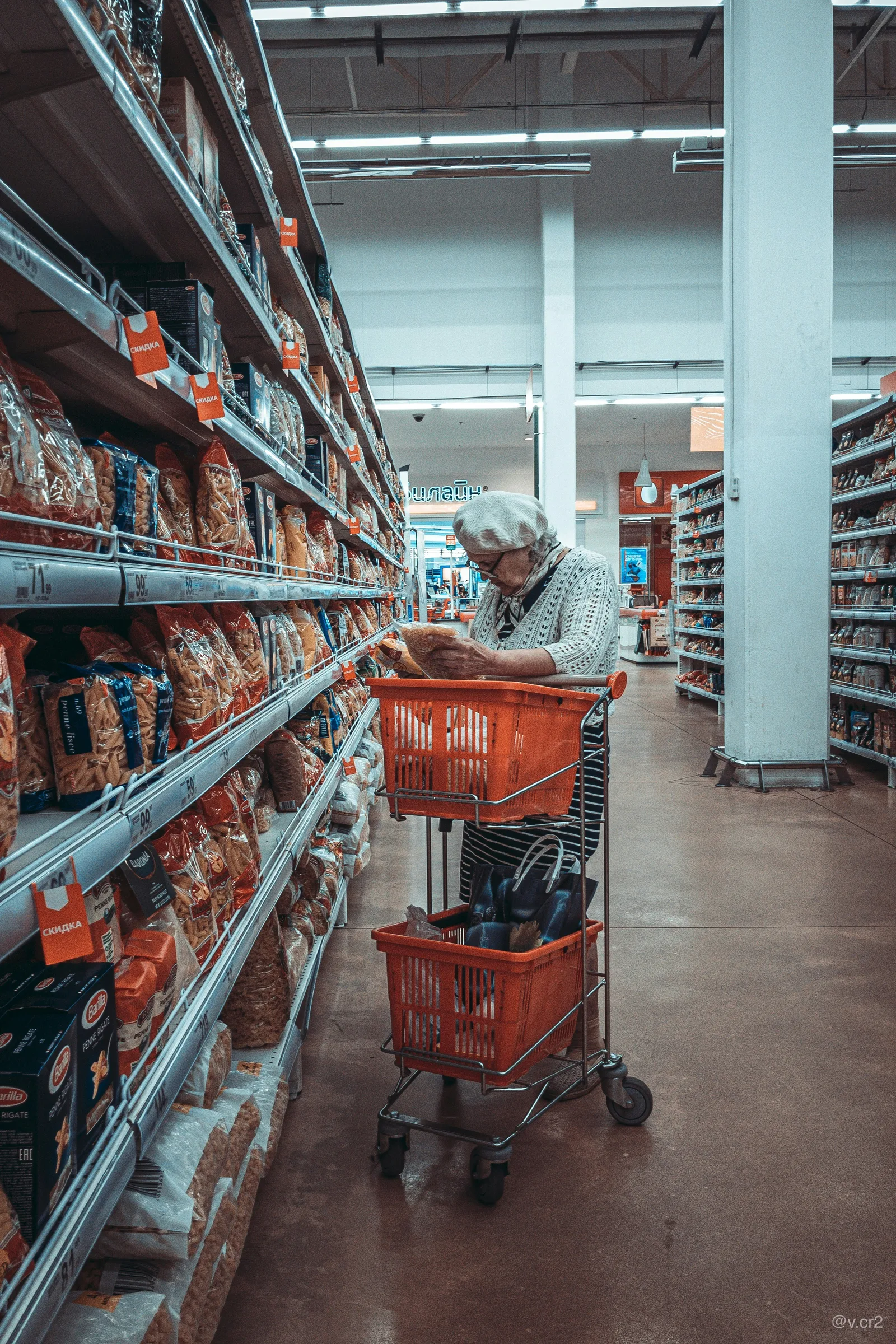
The price tag on the shelf only answers one question: “What is this going to cost me today?”
It doesn't tell you how much actual food you are getting, how much of it is edible, or whether you will realistically use it all before it spoils. To truly save money at the grocery store, you have to look past the sticker price and compare your options in layers.
Here is how to do the grocery math that actually matters.
- The Golden rule: Calculate the Unit Price To find the real cheapest option, always divide the total price by the unit size (ounces, pounds, or count).
For example, if a 12-ounce package costs $3.60, you are paying $0.30 per ounce. If a 20-ounce package costs $5.40, that drops to $0.27 per ounce.
While grocery shelf tags often list the unit price for you, always double-check their math. Stores frequently mix units to confuse you—listing one brand by the ounce and the competitor by the pound or per 100-count. Convert them to the same measurement before making your choice (remember: 1 pound = 16 ounces).
- Account for "Usable Yield" (Are you paying for trash?) Bones, peels, thick stems, and drained liquid reduce the amount of food that actually makes it to your plate.
If you buy a whole vegetable for $1.00 per pound, but 20% of it is inedible stems and peels, you are effectively paying $1.25 per edible pound (simply divide the purchase price by 0.80).
Of course, bones and vegetable scraps aren't worthless if you actively use them to make homemade stock. But if they are just going straight into the garbage, do not pay a premium for them.
- Compare Cost Per Use (Not Just Per Ounce) A highly concentrated product might have a terrifying price-per-ounce, but end up being significantly cheaper per meal.
Ingredients like tomato paste, bouillon, spices, and even dish detergent are used in tiny quantities. When shopping for these, compare the cost per normal use, rather than just looking at the physical weight of the container.
- Watch Out for Comparison Traps
Don't let the grocery store outsmart you. Keep an eye out for these common retail tricks:
- Empty buzzwords: “Family size,” “Value pack,” and "Bonus size" are marketing terms, not mathematical guarantees.
- The "Must Buy" catch: A giant yellow sale tag might proudly advertise $2.00 a box, but read the fine print—you often have to buy a specific quantity (like 5 boxes), use a digital app, or hold a store membership to get that price.
- Water weight in meat: Two chicken breasts might look identical in price, but one could be injected with a 15% saltwater solution. You are paying meat prices for water.
- Canned goods: Always compare canned items by their drained weight if you plan on pouring the liquid down the sink.
- Shrinkflation: Store brands and name brands frequently shrink the ounces in a package while keeping the box the exact same size and price.
Save Your Math for the Heavy Hitters
You do not need to do division on every single item in your cart. Calculating the exact unit price of a 99-cent salt shaker is a waste of your time.
Save your phone calculator for the items that meaningfully impact your budget: meat, coffee, cheese, cereal, snacks, and your most frequently purchased staples. Precision here can drastically change your grocery total.
Once you have mastered the shelf price, the next step is connecting those ingredients to your actual dinner plate. Read our guide on How to Calculate the Real Cost of a Recipe to take your budget to the next level.