lesson
The Cheapest Foods That Actually Make Complete Meals
Build satisfying low-cost meals from staple foods that provide energy, substance, vegetables, and flavor.
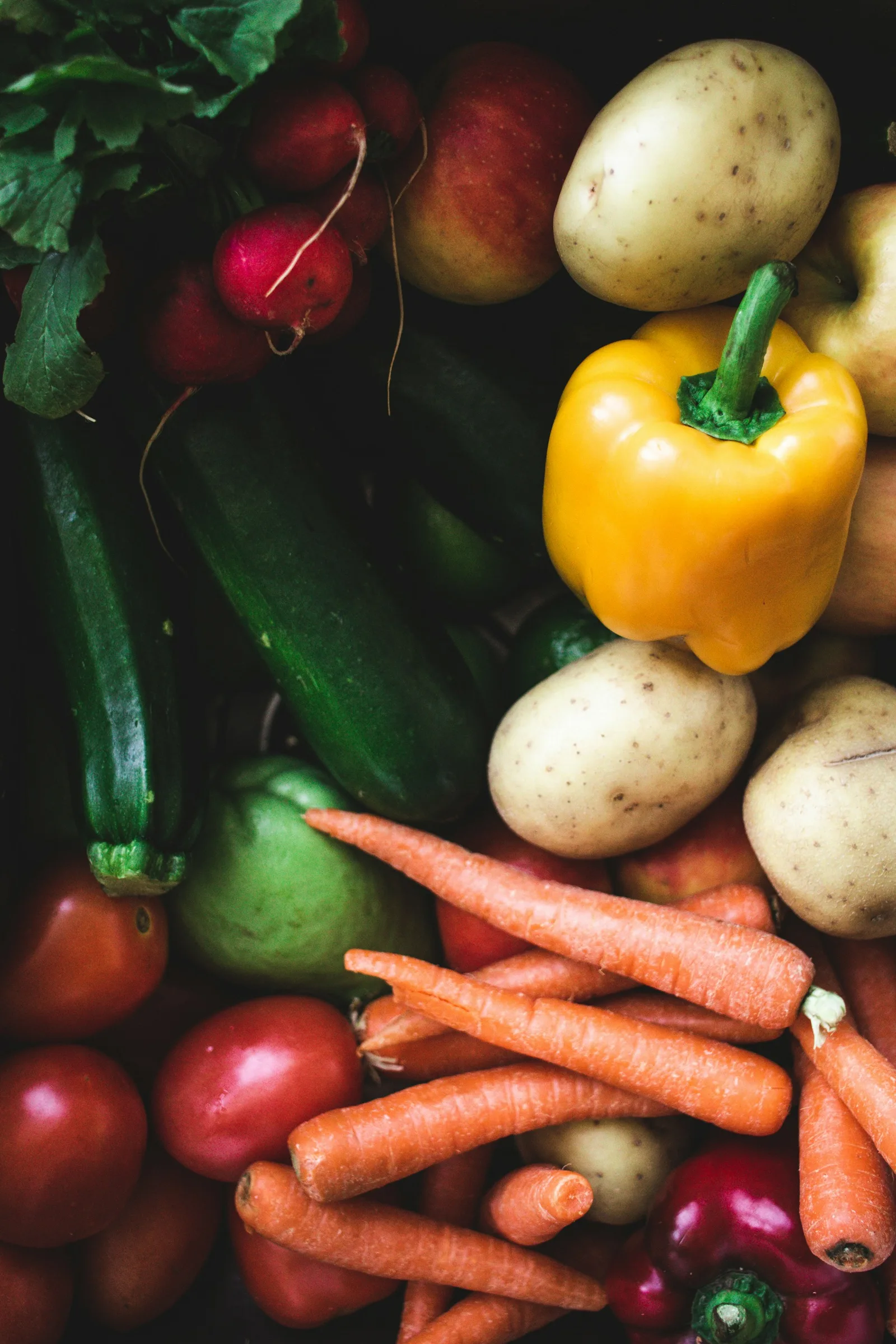
The cheapest ingredient does not necessarily produce the cheapest meal. A bag of flour is inexpensive, but it does not solve dinner by itself. A useful budget staple should be affordable per serving, store well, work in several dishes, require manageable preparation, and help build a filling meal with reasonable nutritional value.
The best budget foods usually perform more than one job; they provide bulk, substance, flavor, nutrition, or a foundation for leftovers.
Repeated use
A budget staple becomes more valuable if it's preparation can produce several different meals with one purchase. Heartier vegetables such onions, shallots, potatoes, carrots, zucchini, squash, and cabbage are great for this purpose. These vegetables generally come in larger quantities and can be used through multiple cooking sessions
- Pot of beans can make bean bowls, soup, tacos, and mashed bean toast
- Cooked rice can be use as dinner side, fried rice, soup addition, and breakfast bowl
- Roasted vegetables served as sides, in pasta or tortilla filling, or in egg scramble
- Cabbage for coleslaw then braised as a side dish, potato hash, or soup addition
- Yogurt sauce as a dressing dip or sandwich spread
Reusing food should not mean eating the exact same plate for dinner five days straight. Change the sauce, texture, base, or serving format so that one preparation becomes several meals.
Consider the real cost of the meal
Purchase price is only one part of the ingredient's cost. Foods may be inexpensive per pound but less useful when much of it is discarded, it spoils before it can be used, or it requires several additional ingredients to become a meal.
Preparation time is another important factor to consider when purchasing for budget. Dried beans may cost less per serving than canned beans, but canned beans may still be the better purchase when time, fuel, equipment, or predictable portions are limited.
Compare ingredients by the amount of usable food they produce and the way they fit your actual cooking habits. For fuller method, see How to Compare Grocery Prices
False Bargains
Some ingredients might require support from other ingredients that you will also need to purchase. Cheap specialty ingredients are not economical when they would require several sauces, spices, or garnishes you do not already have in your pantry. Storage space and equipment usage should also be considered when searching for bargains.
Bulk you cannot finish
Buying in bulk can lower the unit price, but only if the part of the purchase is not discarded. Large bags of produce, restaurant-sized containers of seasoning, family packs of meat without freezer space, large containers of dairy such as milk, yogurt, and cheese, and bulk grains without sealed storage can all take a purchase from economical to wasteful.
The important distinction is between shelf-stable bulk foods and perishable bulk foods. Rice oats, dried beans, pasta, and canned good are generally safer bulk purchases when stored properly. Greens, berries, bread, dairy, and fresh meat require a much clearer plan of use.
Bulk dry good can be dependable savings when they are stored securely and used regularly. Perishable bulk goods require a plan: divide and freeze, cook promptly, or avoid larger packaging.
When purchasing in bulk, be sure to account for your usable storage space. Bulk packaging can still be a poor bargain if it occupies valuable refrigerator, freezer, or pantry space even if it will eventually be used.
Markdown without immediate plan
Discounted foods can be excellent value, but the reduced price often reflects a shorter shelf life. A markdown is not savings simply because the price is lower than the original. Buy discounted perishables when they can replace a planned purchase or when you can cook, freeze, or preserve them immediately. An unplanned bargain that spoils is still waste.
Ingredients that need expensive support
An inexpensive ingredient may not produce an inexpensive meal when it requires several items you do not already keep. This is especially common with one-off recipes built around specialty sauces, herbs, cheeses, or garnishes. Before buying the featured bargain. consider the cost as well as future usefulness of everything required to make it appealing.
Cheap food nobody wants to eat
A food is not economical when it repeatedly becomes leftovers or pantry clutter. Test unfamiliar staples in small quantities before buying them in bulk. Sometimes the ingredient needs a different preparation; sometimes it simply not suit the household. Both conclusion are useful.
##Convenience too far removed Removing every convenience step does not automatically lower the real cost of a meal. Canned beans, frozen vegetables, bouillon, prepared tortillas, or shredded cheese may cost more per ounce while making home-cooked meals far more likely to happen. A convenience ingredient can be economical when it prevents takeout, reduces waste, or makes a difficult week manageable.
Low-yield ingredients
Purchase weight is not always edible weight. Bones, peels, cores, damaged portions, and cooking loss can reduce the amount that reaches the plate. That does not automatically make an ingredient a poor value—bones may become stock, for example—but the unusable portion should be part of the decision.
Ingredient that creates repetitive leftovers
Large batches save money only when the leftovers have somewhere to go. Before doubling a recipe or buying a large package, identify at least one different use for the remainder. Cooked beans can become soup, tacos, or a spread; roasted vegetables can move into eggs, pasta, or tortillas.
Discounts that replace better-value staples
Sales can attract attention even when the discounted product remains more expensive than an ordinary alternative. A discount tells you how the current price compares with the product’s usual price, not whether it is the best value in the category. Compare the sale item with the ordinary alternatives you would otherwise buy.
Foods that cannot survive the schedule
A bargain must fit the household’s schedule. Ingredients that require advance soaking, long thawing, extensive chopping, or immediate cooking may repeatedly go unused when those steps do not match the way the household operates. Buy for the week you are likely to have, not the week you hope to have.
Start with sturdy bases
Rice, oats, pasta, potatoes, cornmeal, bread, and tortillas provide inexpensive energy. Buy the ones your household will actually cook and eat. A theoretical bargain that sits untouched is not a bargain. There are almost always interchangeable bases for most dishes, so if your family will not eat a particular base such as cornbread or rolled oats, find a suitable replacement.
Bases, with proper seasoning, moisture, and enough substance can provide relatively inexpensive cost per serving volume and energy. Use their neutral flavor and larger volume to absorb broth, tomato, spices, pan drippings, or a well-seasoned sauce. Bases such as potato, cornmeal, rice and pasta can also be the dish's main feature.
The goal is not to bury every meal under starch. The base should support the dish while leaving enough vegetables, protein-rich ingredients, fat, and seasoning to make the plate satisfying.
Add inexpensive substance
Dried or canned beans, lentils, eggs, peanut butter, tofu, canned fish, and plain yogurt can anchor meals without relying on a large portion of meat. They do not have to imitate meat. Let lentils thicken a soup, eggs bind a potato hash, or beans become creamy against crisp toast.
- Beans and lentils add bulk, fiber, and substance
- Eggs bind, enrich, or become the center of a meal
- Yogurt can act as a protein, sauce, or garnish
- Peanut butter adds fat, protein, and flavor
- Canned fish adds strong flavor, so a small amount can season a larger dish
- Tofu absorbs sauces and can be stretched through vegetables and grains
Combining food groups across the day matters more than forcing every plate into a perfect formula. Rotating grains, legumes, vegetables, dairy, eggs, fish, and meat make a budget diet more useful, cost-effective, and enjoyable.
Choose vegetables that survive the week
Hearty vegetables such as cabbage, carrots, onions, potatoes, sweet potatoes, frozen peas, frozen spinach, and canned tomatoes are dependable because they have high usable yield and long shelf life. Seasonal produce and markdowns can be excellent, but only when you have a plan to use or freeze them promptly. Most of these vegetables work well together in soups and skillet meals, so they can be bought in bulk and used at roughly the same time.
Favor vegetables that can move between dishes. Onions, peppers, and celery can begin soup, beans, sauce, eggs, or a skillet meal. Cabbage can become slaw, stir-fry, soup, braised vegetables, or taco filling. Flexible ingredients reduce the chance that half-used produce will be forgotten.
Fresh vegetable alternatives
Frozen vegetables are often economical because there is little trimming waste and unused portions return to the freezer. Frozen vegetables are generally milder in flavor than fresh or canned; keep this in mind if using either frozen or canned as the main feature of the dish.
Canned vegetables can be useful when storage space, cooking time, or transportation is limited.
Balanced-meal combinations
- Lentils, rice, browned onions, carrots, and vinegar demonstrate a cheap base, legume, aromatic vegetable, and acidic finish
- Pasta, white beans, canned tomatoes, and frozen spinach demonstrates how beans can extend pasta without requiring meat
- Potatoes, cabbage, eggs, mustard, and toasted crumbs shows texture contrast and how eggs can enrich a vegetable-heavy meal.
- Oats cooked savory with an egg, greens, and chile crisp demonstrate that inexpensive breakfast staples can work outside of their usual role.
- Tortillas filled with beans, roasted vegetables, cabbage, and yogurt sauce show how one base can hold leftovers from earlier preparation.
The pattern is more important than the example: base, substance, vegetable, flavor, and a contrasting finish. Use How to Build a Cheap Meal Without a Recipe when you need to turn the pattern into tonight’s dinner.