lesson
How to Buy Cheap Meat Without Buying Bad Meat
Choose affordable meat by cost per edible serving, cooking method, condition, and the role it will play.
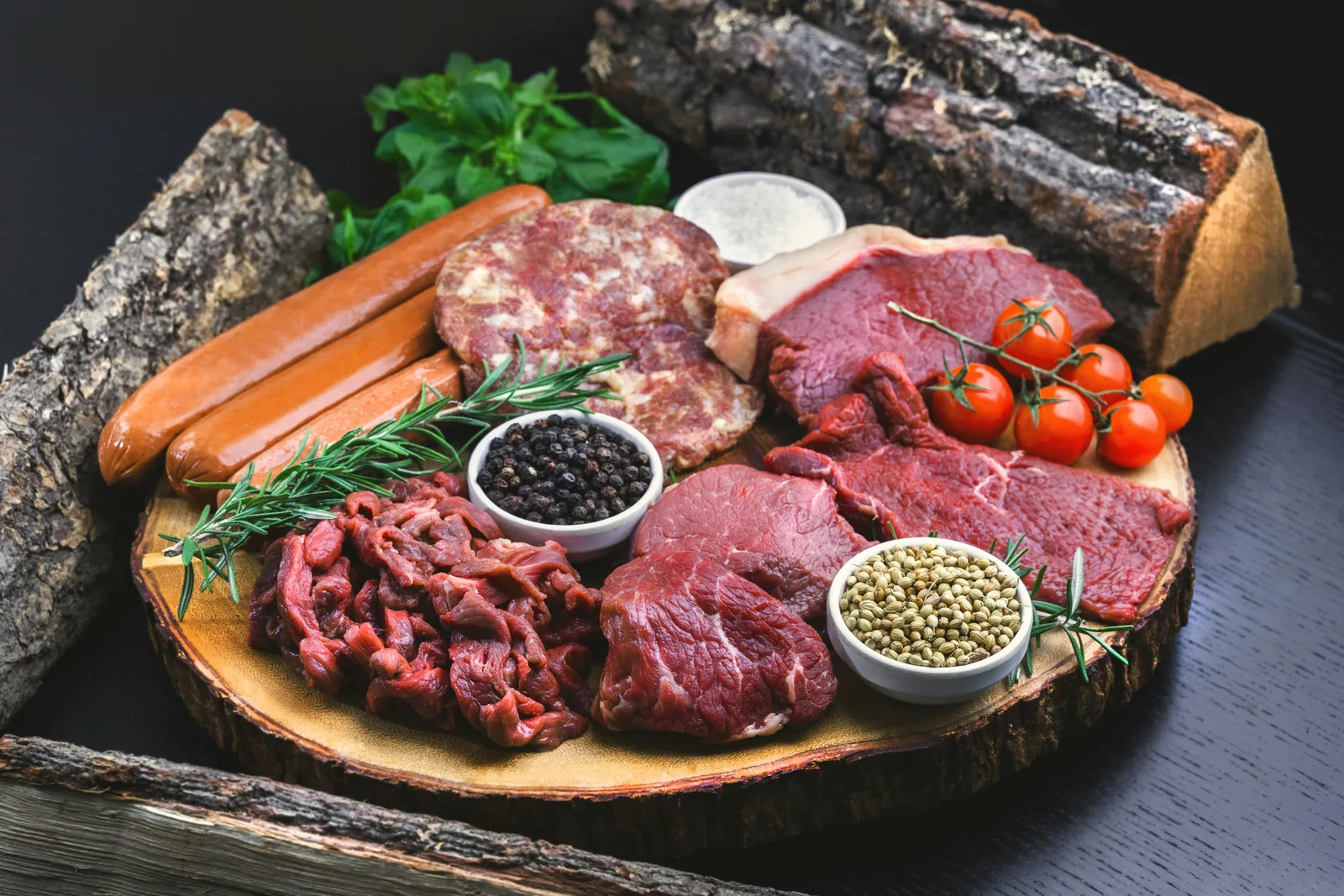
Cheap meat is not one particular cut or protein that's had its price marked down. It is meat whose price, usable yield, cooking requirements, and flavor fit the meal you are making and fit within the budget. A low price can become expensive when half is discarded or the cut requires prep or cook time you do not have.
Shop by method, not prestige
For slow cooking, look at chuck, shoulder, shanks, stew meat, and other collagen-rich cuts—but compare prices. “Stew meat” may be prepped for the pot but cost more than a whole roast you can cube yourself. For quick cooking, chicken thighs, thin pork chops, ground meat, or sale-priced tender cuts may make more sense.
Do not buy a tough cut for a 15-minute dinner and blame the meat. Collagen needs time. Likewise, long braising can dry out a naturally lean, tender cut.
Compare edible cost
Bone-in pieces can provide excellent flavor, but the sticker price includes bone and sometimes skin. Boneless meat may yield more servings per purchased pound but not be as flavorful. Decide whether the bones will become stock or merely trash and purchase accordingly.
Ground meat distributes flavor efficiently through beans, lentils, cabbage, rice, pasta, or potatoes. A smaller amount can feel present in every bite, stretching the meal.
Cost per serving vs. cost per pound
Lowest price per pound does not equate to the cheapest meal. Estimate how many useful servings the package will provide after accounting for factors such as skin, bones, excess fat, and cooking loss.
Boneless roasts, even at a higher price, may cost more per serving than a cheaper bone-in cut but offer a higher usable yield. Bones, skin, and fat offer high value when used for stocks, sauces, or other meals.
When shopping for meats, instead of asking "Which is the cheapest?" ask yourself, "What will each finished serving cost?" and "What else can I make out of this?" You do not need a precise calculator or algorithm, a rough comparison is usually enough:
- How much of the package will be eaten?
- How many meals will this make?
- Will the trimmings have another use?
- Does the dish need the full package or only a portion?
Meat that produces 6 satisfying servings is better value than one that produces 4 large portions at a lower sticker price.
Account for time, fuel, and preparation
Cheap meat normally carries cost beyond the checkout line. A large roast needs space in the refrigerator/freezer, several hours of cooking, trimming excess, and portioning meals. None of these factors makes a package a bad purchase, but they should fit within your cooking budget, including your available time.
Slow cooking cuts are useful when you can cook several portions at once or when the meal can cook with little attention. It is far less valuable when you need dinner in less than 30 minutes. Likewise, portioned meat may cost more per pound but save labor and waste, so it makes sense for smaller households.
Important factors to consider:
- preparation time
- cooking time
- active attention
- storage space
- additional ingredients
- equipment
- planned leftovers
The cheapest cut is the one that you can cook correctly and use completely. Meats that take up space in the freezer because the price was marked down may be a bargain financially but not be the best overall value.
Evaluate condition
Choose intact packaging without leaks, tears, or excessive trapped liquid. Check the date and make sure refrigerated meat feels properly cold. Avoid packaging that appears puffed out, as this may indicate improper temperature control or spoilage.
Color varies with species, cut, packaging, and oxygen exposure, so use it alongside smell, texture, package condition, and storage history—not as the only test. These signs can help identify spoilage, but meat can contain harmful bacteria even when it looks and smells normal. Safe handling, refrigeration, and cooking to a verified internal temperature are still required.
Markdown meat can be a good purchase when you will cook or freeze it promptly. A discount does not extend its life. Meat marked down by your local supermarket is not bad meat; it may simply have reached the date after which the supermarket no longer considers it suitable for selling at full price.
AnotherBudgetGamer regularly purchases markdown meat, almost exclusively, from the local markets. The meat is then either repackaged and frozen or cooked on the same day of purchase. At my local market, markdown meats are 40% off normal price, so be sure to check how much these meats are normally priced to get a good idea of the savings.
Avoid false bargains
Preseasoned meat may include water, salt, or sauce that raises the effective price. Very large packs can lead to waste if you lack freezer space. Extremely lean meat is not automatically better for every dish; enough fat can improve browning, texture, and satisfaction.
Use premade meats such as bacon-wrapped filet mignon and skewers at your own discretion. The premade product may cost more than the ingredients and time required to make it yourself.
Once you choose the cut, match it to the correct heat and time. Why Your Meat Turns Out Tough—and How to Fix It explains the difference between overcooked tender meat and undercooked braising meat.