lesson
The Only Kitchen Equipment You Actually Need
Build a capable small kitchen around a few durable tools and practical substitutions.
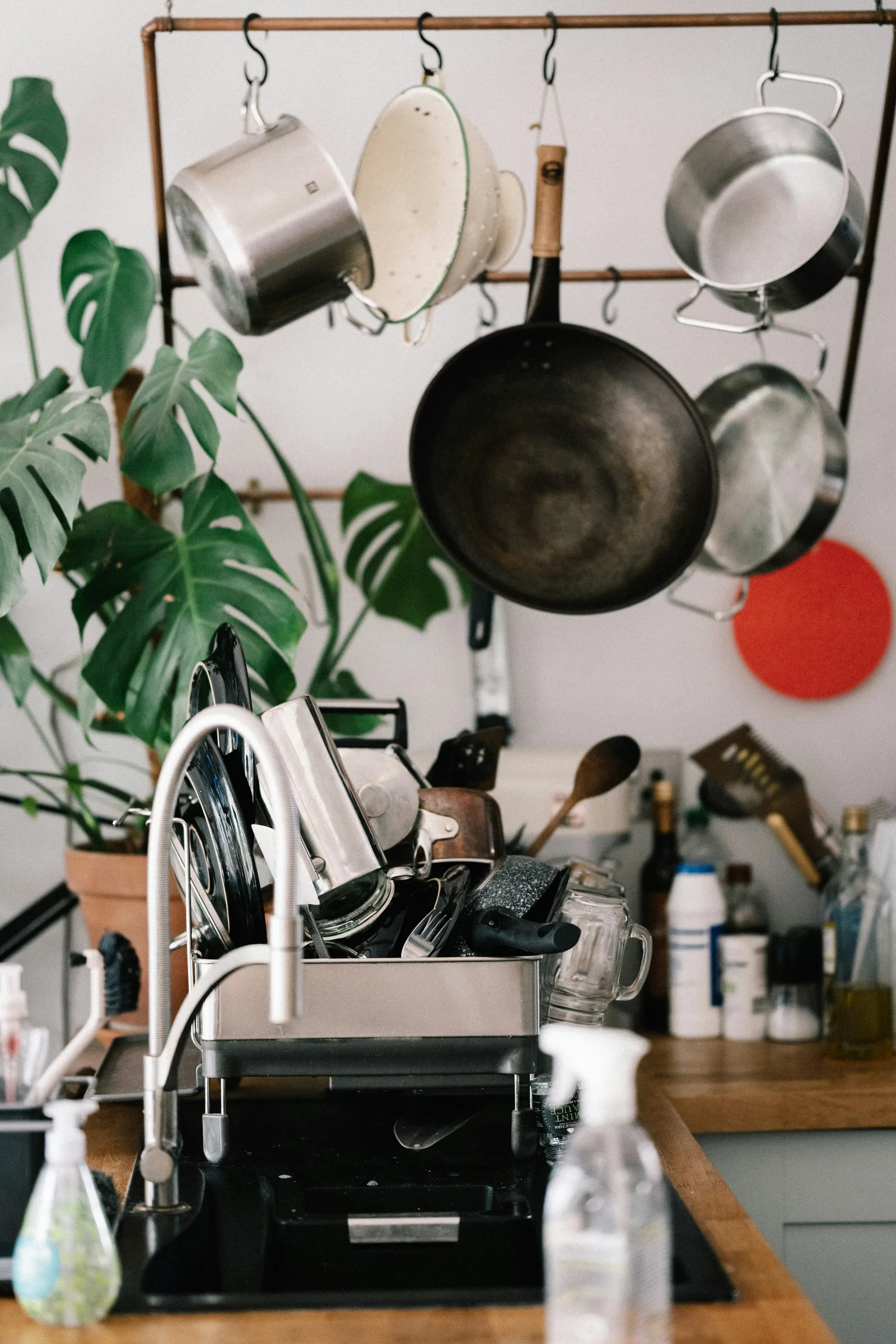
A capable kitchen is not a showroom; it is an ecosystem. Each tool should perform a frequent job, fit the available space, and be replaceable without financial pain. An experienced cook does not need a fully equipped kitchen to make full meals seven days a week.
A can of beans can be used as a mallet to flatten chicken breast, a knife can be used to peel vegetables, and a fork can be used as a whisk. There is an old saying, "A bad carpenter blames their tools," and that is true in the kitchen. Kitchen tools make a particular task more efficient; they do not necessarily produce better results.
The core kit
One chef’s knife or medium cook’s knife. It should feel secure and comfortable in your hand. Find a knife, both blade and handle size, that fits the size of your hand. It should be sharp enough to slice a tomato with no force. Avoid knives that have visible plastic pieces holding the handle together. These will break under pressure and normal use, forcing you to re-handle your knife.
One large cutting board. A board that slides is dangerous; place a damp towel underneath. Bigger is often more useful than thicker or more decorative. A large plastic cutting board is normally easier to sanitize than a wooden cutting board. Some cheap cutting boards are not actually declared food-safe because certain materials must be properly sealed to prevent bacteria buildup.
One skillet with a lid. A 10- to 12-inch stainless-steel, cast-iron, carbon-steel, or durable nonstick skillet can brown, sauté, simmer, steam, and reheat. Choose based on what you can maintain. These pans can come with many different coatings and base materials. Uncoated stainless-steel, copper, and ceramic pans are among the longest-lasting options. Avoid using metal utensils against nonstick coatings because they can damage the coating, reduce its effectiveness, and possibly leave flakes in your food.
One saucepan or small pot with a lid. Use it for grains, beans, sauce, oatmeal, eggs, and reheating. Saucepans are generally wide and flat. These pans are measured by diameter, such as 10 or 12 inches, and by volume, such as 3 or 4 quarts. A 10-inch, 4-quart saucepan can normally cook and serve meals for a family of four with relative ease. A lidded pan that can go from the stovetop to the oven greatly expands the number and types of recipes you can make at home.
One larger pot with lid. This handles pasta, soup, batch cooking, blanching, and possibly canning. In a one-person kitchen, the saucepan and larger pot may be the same medium or large pot but it is better to have separate pots with lids. Also known as a stockpot, their shape is deeper than a sauce or frying pan. Like other pans, these are measured in diameter and volume.
A sheet pan or roasting dish if you have an oven. It cooks complete meals and spreads vegetables out for browning. Sheet pans are often sold in sets. Having multiple sizes can also create additional counter space for large food-prep sessions. Some deep sheet pans come with a rack that fits inside the pan to hold large roasts and catch drippings. The rack can also be used to cool loaves of bread.
Flexible spatulas, sturdy silicone spoons, tongs, a colander or strainer, mixing bowls, and a can opener. Add a thermometer when cooking meat regularly, especially roasts; it replaces guesswork with information. This group of utensils can significantly improve how efficiently your kitchen works. Use silicone spoons and spatulas for mixing food and scraping sauces out of bowls, a colander or strainer to drain pasta, beans, and blanched or steamed vegetables, and tongs to control hot pieces of food without risking burns to your hands. A set of mixing bowls can also serve as storage containers or serving dishes, increasing their value.
Substitutions that work
A plate can cover a pot when it is heat-safe and handled carefully. A clean jar can shake a dressing. A fork can whisk eggs. A pot can become a mixing bowl. Kitchen scissors can portion herbs, flatbread, and some cooked foods.
Substitutions stop being clever when they create a burn, cut, or unstable surface. Do not use glass that is not heat-rated, improvised supports, or containers not intended for food.
What can wait
Food processors, stand mixers, air fryers, immersion circulators, knife blocks, and single-purpose cutters may be useful, but they do not belong in a minimum kit. Buy a specialty tool after a repeated task proves its value. A drawer full of $15 utensils that get used once a month is not a good investment.
Maintenance beats upgrading
A sharp, inexpensive knife is safer and more effective than a dull premium knife. A clean, flat pan performs better than a warped pan with residue. Learn the maintenance your equipment requires before replacing it. Also learn how to maintain the equipment before it actually needs attention. In hospitality and most other industries, this is known as preventive maintenance and can greatly extend equipment life.
Put the core kit to work with How to Cook a Complete Meal With One Skillet.