lesson
How to Buy a Good Cheap Pan or Skillet
Shop for an affordable skillet by material, size, handle, flatness, and the food you cook most often.
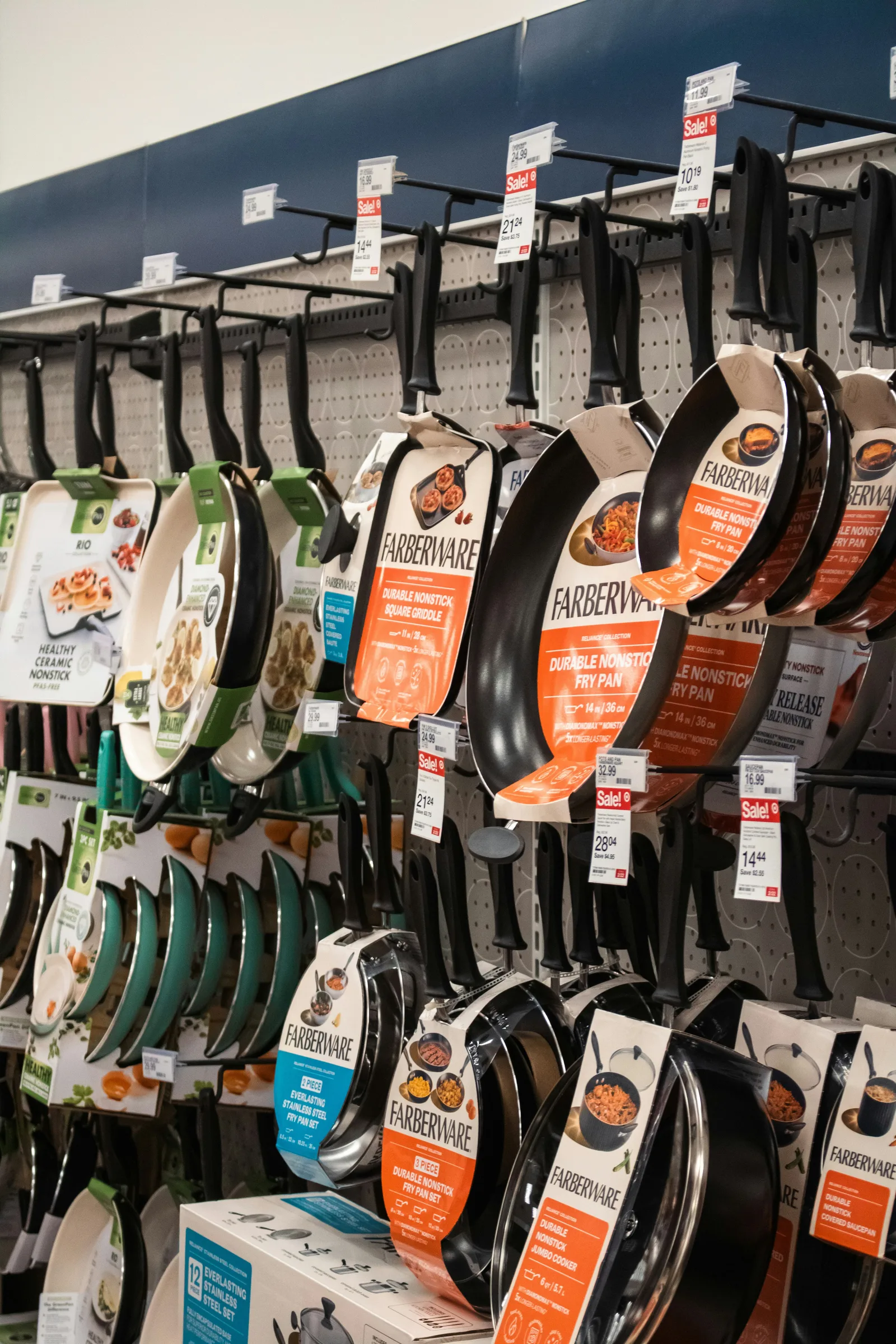
A useful inexpensive skillet does not need a celebrity name, high price tag, or a thick display box. It needs to sit flat, heat predictably, hold enough food without crowding, and have a handle you can control when the pan is full.
Before choosing your next pan, know what your kitchen and you can handle. Avoid purchasing pots and pans that are too large for your burner. Look for features that you will actually use such as covered handles, lids that lock, and easy pouring or straining features.
Pick the material for the job
Stainless steel is the best all-purpose choice when you want one durable everyday pan. This is the top pick for chefs around the world. It handles high heat, acidic sauces, metal utensils, and oven cooking if the handle is oven-safe. Food can stick until you learn heat and timing. Browned residue is not necessarily burned food; it becomes flavor when deglazed.
Look for a fully clad pan or a pan with a thick bonded disc across the bottom. Very thin stainless steel creates hot spots and scorches easily. A modest pan with real mass is usually better than a shiny, featherweight one.
Nonstick is convenient for eggs, pancakes, delicate fish, and low-fat cooking. Treat the coating as a consumable surface: avoid overheating it, metal utensils, abrasive scrubbing, and empty preheating. Do not pay luxury prices for something that will eventually wear out.
Cast iron is inexpensive, durable, and good at holding heat for browning. It is heavy, slow to respond, and needs to be cleaned correctly and dried promptly. A rough-looking factory surface can still cook well once it is seasoned and used regularly. Years of cooking and proper seasoning create a smoother, more reliable cooking surface, which may be part of why a well-used family skillet produces such consistent cornbread.
Carbon steel behaves like lighter, more responsive cast iron. It also needs proper seasoning, dislikes long acidic simmers like tomato sauces, and may arrive with a protective coating that must be removed. It is excellent for someone willing to maintain it as the nonstick surface lasts longer, but it is not easier to maintain over stainless steel.
Choose the right size
A 10-inch skillet works for one or two people. A 12-inch skillet gives two to four servings room to brown but may heat unevenly on a small burner. Measure the flat cooking surface, not only the rim; sloped sides can make a nominally large pan surprisingly cramped.
Match the bottom to your burner. A huge pan over a small electric element develops a hot center and cool edges. Induction users should confirm compatibility with a magnet or the manufacturer's marking.
Inspect the pan in the store
Set it on a flat shelf and press near one edge of the rim. Reject a pan that rocks or spins as this pan has been warped and will not heat evenly. Check that the handle is tight to the pan, comfortable, and far enough from the body to keep your knuckles clear of the burner. Rivets are durable but collect residue; welded handles are easier to clean but must be solid. Neither is better and both will break down over time.
A lid adds value for steaming and simmering. A helper handle on the opposite side matters on a heavy 12-inch pan. Flared sides make tossing and evaporation easier; straighter sides give you more overall cooking surface area.
At a thrift store, stainless steel and cast iron are safer bets than used nonstick. Many cast iron pans or skillets can be properly cleaned and seasoned to be brought back to life. Skip pans with a loose handle, badly warped base, deep pitting, cracks, or an unknown coating that is peeling or scratched.
A simple buying strategy
For maximum versatility, buy a 10- or 12-inch stainless-steel skillet with a reasonably heavy base and oven-safe handle. If eggs are a daily staple, add a basic 8- or 10-inch nonstick pan and reserve it for gentle low-heat jobs. If weight is not a problem and maintenance does not bother you, a plain cast-iron skillet offers excellent value.
Once you have the pan, learn how to cook a complete meal with one skillet and why food sticks to your pan.