lesson
How to Choose a Cutting Board
Choose a stable, knife-friendly cutting board by material, size, maintenance, and the space you actually have.
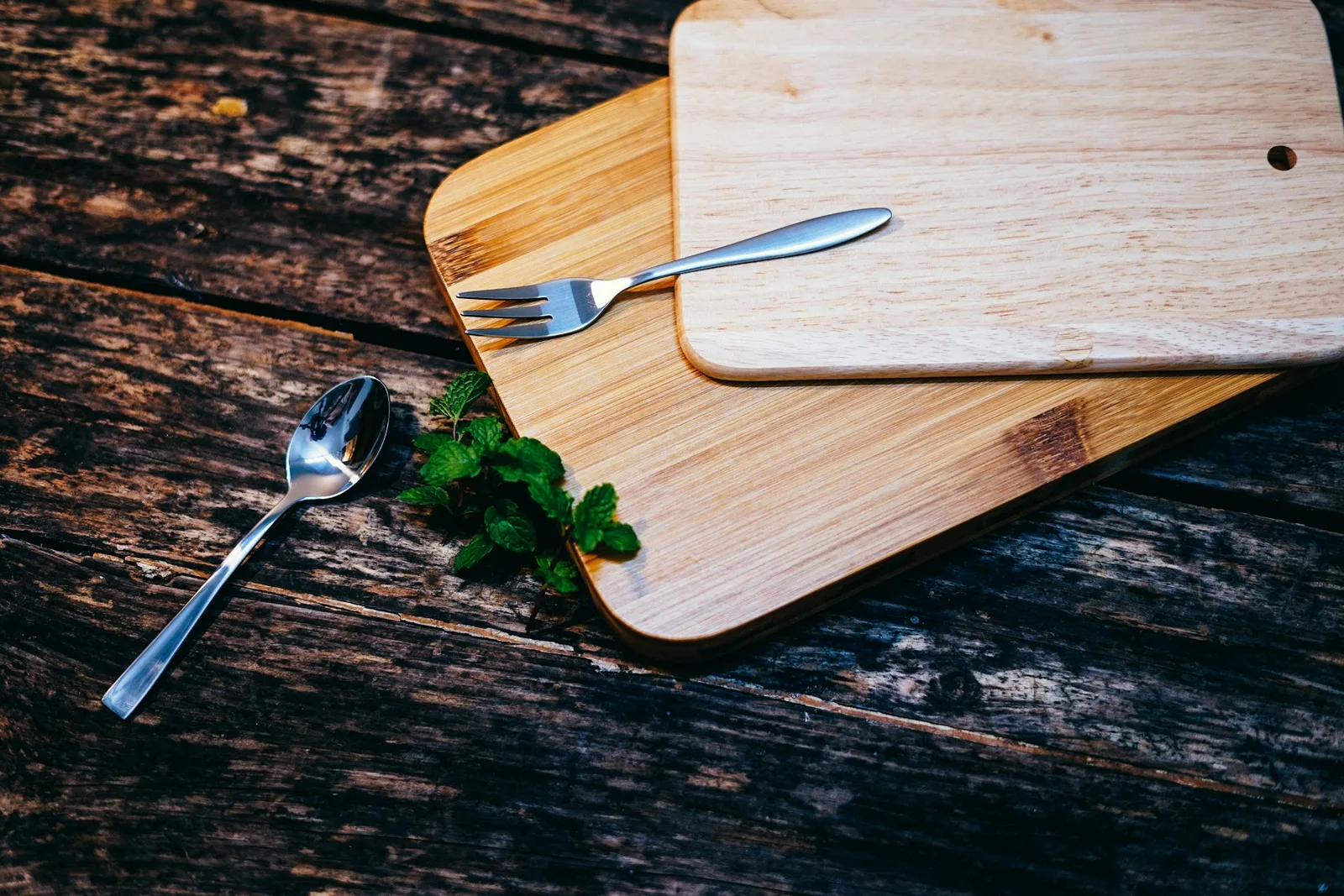
A good cutting board is the unsung hero of a budget kitchen. It protects your expensive knives, stays put while you chop, and gives you plenty of room to work without turning prep time into a frustrating chore.
While the material of the board matters, size, stability, and how easy it is to clean will ultimately determine whether you actually enjoy using it. Here is how to pick the perfect board for your kitchen and your budget.
Size and Stability: Bigger is (Usually) Better
Buy the largest board you can easily use flat on your counter, wash comfortably in your sink, and store somewhere dry. A 12-by-18-inch board is a fantastic sweet spot for a primary setup.
When shopping, compare the flat cutting area, not just the dimensions on the label. Deep juice grooves, decorative handles, and built-in compartments might look fancy, but they eat into your usable chopping space.
You know a board is too small if:
- Chopped veggies keep rolling off the edge onto the floor.
- Your knife tip hits the counter during a rocking chop.
- Raw ingredients and finished piles are fighting for the same square inch of space.
Stability is just as critical. A board should sit perfectly flat without rocking. Thin boards and cheap plastic mats are notorious for sliding around, which is dangerous.
Thickness and Weight: Finding the Sweet Spot
Thin boards are incredibly easy to lift and stash in a cabinet, but they are prone to flexing, sliding, and warping over time. Thick wood and rubber boards are rock-solid and can often be sanded down and resurfaced, giving them a much longer lifespan—but they can be a workout to haul to the sink.
There is no universal "perfect" thickness. Choose a board that you can safely carry with wet hands. If you have a large kitchen, a heavy wood block that lives permanently on the counter is great. If you have to wash and store your board after every single meal, a lighter edge-grain wood or sturdy plastic board is the smarter buy.
| Material | Cost | The Verdict |
|---|---|---|
| Plastic | Inexpensive | Lightweight and easy to sanitize. Great for tossing in the dishwasher, though high heat can warp thinner mats. Replace them once deep grooves form, as they can become difficult to clean thoroughly. |
| Wood | Moderate | The best balance of cost and durability. Edge-grain boards are affordable and kind to your knives. Skip end-grain unless you want to splurge. Hand-wash only, dry upright, and rub with inexpensive food-grade mineral oil when the wood looks dry. |
| Rubber | High | A favorite in professional kitchens. Rubber boards are extremely durable, grip the counter, and are gentle on knife edges. They cost more upfront but can be excellent long-term investments. |
| Bamboo | Low | Hard, inexpensive, and relatively water-resistant. However, the glue lines and tough grass fibers can dull knives faster than wood, rubber, or plastic. |
| Glass and Stone | Varies | Avoid these as cutting surfaces. They may look attractive, but they are slippery, unpleasant to chop on, and can quickly damage a knife's edge. Use them as serving or cheese boards instead. |
You do not need to buy a color-coded pack of six boards for different foods. A practical, budget-friendly setup is just two boards: One large wood or rubber board for veggies and general prep, and one smaller, dishwasher-safe plastic board dedicated strictly to raw meat and messy jobs.
3-Second Inspection Test
Before you put a board in your physical or digital shopping cart, run through this quick checklist:
- The Rock Test: Set it on a flat surface (like a store shelf) and press down on all four corners. If it wobbles, put it back.
- The Seam Check: Look closely for splitting wood, lifting layers, or rough seams where bacteria can hide.
- The Flip Rule: Avoid boards with built-in rubber feet on one side. A flat board can be flipped over, giving you twice the cutting surface and doubling the lifespan of the board before it needs to be replaced.
The best budget choice is usually a medium-thick plastic board that fits your dishwasher or a simple edge-grain wood board you are willing to hand-wash. Pair it with the right kitchen knife type and habits that keep the edge sharp.