lesson
High-Impact Ingredients Every Pantry Needs
Build a compact pantry around high-impact ingredients that transform inexpensive food one pinch or spoonful at a time.
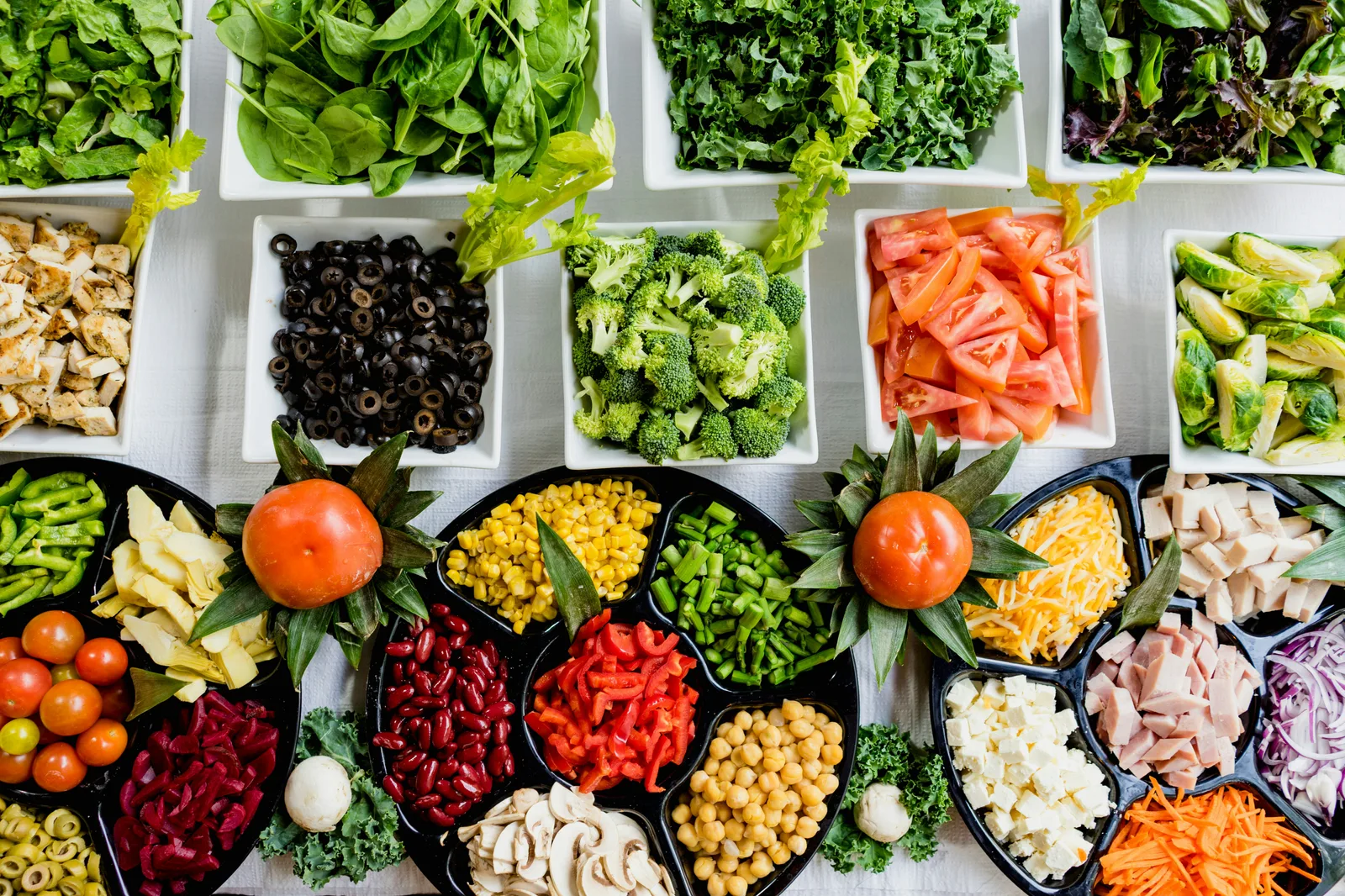
High-impact ingredients have a tiny pantry footprint and change far more food than their size suggests. A pinch of cayenne changes the energy of a whole pot. A teaspoon of paprika supplies color and warmth. A little turmeric makes rice earthy and golden. A few grams of yeast can lift an entire loaf.
Thier value is not limited to strength. The ingredients are economical because on package can perform a specific job across dozens of meals.
A well-stocked kitchen may have a little of everything, but the point is not to collect every spice. It need a managable group of inexpensive ingredients whose functions you understand and whose flavor you actually use.
Choose ingredients by the job they perform
High-impact ingredients do not all work in the same way. Understanding their primary job makes them easier to substitute, combine, and correct.
Adjust the basic taste
Salt makes many flavors easier to perceive and can reduce the impression of bitterness. Sugar can soften harsh acidity or bitterness, although it can also make the dish noticeably sweet. Vinegar, citrus juice, and other acids brighten food that tastes heavy, dull, or overly rich.
These ingredients affect the balance of the entire dish. Add them in small increments, stir thoroughly, and taste again before making another adjustment.
Change aroma and identity
Cumin, paprika, turmeric, dried oregano, garlic, black pepper, and other aromatic seasonings can send the same basic ingredients in completely different directions.
Beans seasoned with cumin and chile taste different from beans seasoned with garlic, oregano, and tomato, even when the beans themselves do not change. Potatoes may become earthy with rosemary, warm with paprika, or sharp and savory with mustard and black pepper.
This is one reason inexpensive staples do not have to become repetitive. The base can remain familiar while the aromatic direction changes.
Change texture and physical structure
Some small ingredients change how food behaves rather than merely how it tastes.
Yeast produces gas that expands bread dough. Baking soda raises pH, encourages browning, and can help provide lift when enough acid is present. Cornstarch thickens sauces and soups. Gelatin gives cooled liquids structure and can make warm broth feel richer. A small amount of flour can thicken gravy, while an egg can bind a loose filling or enrich a sauce.
These ingredients are less forgiving than most seasonings. Measure them carefully because too much may alter the structure of the entire dish.
Add concentrated savoriness
Tomato paste, soy sauce, fish sauce, anchovies, dried mushrooms, bouillon, and hard cheese provide concentrated savory flavor. Small amounts can make broth, beans, sauces, grains, and vegetables taste fuller without requiring a large quantity of meat.
These ingredients often bring salt, acidity, sweetness, or bitterness along with their savoriness. Treat them as compound seasonings rather than isolated sources of flavor. Taste before adding more salt or another strongly flavored ingredient.
Learn one ingredient in three foods
Do not wait for a complicated recipe to teach you how an ingredient works. Test it in foods you already understand.
Try one seasoning in:
- A pot of beans or lentils
- A tray of roasted potatoes or vegetables
- A simple egg, rice, pasta, or soup dish
Begin with a measured amount. Taste the food before adding it, note when it went into the dish, and compare the result after it has cooked.
Using familiar food removes some of the uncertainty. You are not trying to understand a new recipe, unfamiliar technique, and unfamiliar spice at the same time.
A measuring spoon is useful during this stage. You do not have to measure every pinch forever, but measurement helps you remember whether you added 1/8 teaspoon or an accidental tablespoon.
Timing changes the result
The same ingredient can taste different depending on when and how it is added.
Many ground spices become more aromatic when warmed briefly in fat. This process is often called blooming. Use moderate heat and stir continuously because finely ground spices can scorch quickly. Once they smell fragrant, add moist ingredients or liquid before they become dark and bitter.
Dried herbs usually benefit from time in a moist dish. Early addition allows them to hydrate and spread through soups, sauces, and braises. Fresh herbs often retain more of their bright aroma when added near the end.
Acid added early may become softer and more integrated as the food cooks. Acid added near the end produces a sharper, fresher contrast. Delicate aromas, fresh citrus zest, and finishing oils also tend to be more noticeable when added late.
Strong ingredients should still have time to disperse before you judge them. Stir thoroughly and allow a soup, sauce, or stew to cook for a few minutes before adding more.
Build a pantry that turns over
A useful pantry is not the pantry with the most containers. It is the pantry whose ingredients are used, replaced, and understood.
Buy the smallest reasonably priced package when trying an unfamiliar spice, sauce, or baking ingredient. A large package has a lower unit price only when you use it before its quality fades.
Store dry seasonings:
- in tightly closed containers
- away from steam and moisture
- away from direct sunlight
- away from heat above or beside the stove
Whole spices generally hold their aroma longer than ground spices, but they require grinding or crushing. Ground spices are often the more practical choice when convenience makes regular cooking more likely.
Write the month and year of opening on unfamiliar ingredients. This gives you useful context without treating the printed date as an automatic disposal deadline.
Most dried spices remain safe long after their best-by dates when they have stayed dry and uncontaminated, but their aroma, color, and strength gradually decline. Smell a small amount before using it. A spice that smells faint, dusty, or nearly odorless will not regain its original flavor in the pan.
Some stores discount seasonings as they approach or pass a best-by date. These can be inexpensive opportunities to try an ingredient, but inspect the container and evaluate the spice when you open it. A reduced price is not useful when the seasoning has already lost most of its aroma.
Avoid buying several ingredients for one dish
A high-impact pantry ingredient becomes economical when it works in more than one place.
Before buying something unfamiliar, identify several possible uses. A jar of cumin might season beans, roasted vegetables, rice, meat, and soup. Mustard can flavor sauces, dressings, potatoes, sandwiches, and braised vegetables. Tomato paste can deepen soup, gravy, beans, pasta sauce, and pan sauces.
This does not mean every ingredient must be universal. It means specialty ingredients should be purchased deliberately rather than allowed to become permanent pantry clutter after one recipe.
Correct an ingredient that took over
There is rarely a single ingredient that can cancel an excessive seasoning without changing anything else. The most dependable correction is dilution.
Add more of the dish’s unsalted base ingredients when practical:
- More beans, vegetables, grains, or potatoes
- More broth, tomatoes, dairy, or sauce base
- Another unseasoned batch combined with the first
- Additional portions served with a mild starch or bread
Other adjustments may improve the balance, but they do not remove the original ingredient.
Fat and dairy can soften the perception of chile heat. Acid can brighten a muddy or heavy spice mixture. A little sweetness may round harsh bitterness or heat. Salt can make weak surrounding flavors easier to perceive, but it will not correct a dish that is already properly salted.
Every correction affects the whole dish. Add one small adjustment at a time, mix thoroughly, wait long enough for it to disperse, and taste again.
The goal of a high-impact pantry is not to make every meal strongly seasoned. It is to keep a small set of ingredients that can change flavor, aroma, texture, and balance precisely when the food needs it.
The major changes are a clearer classification of ingredient functions, a more accurate explanation of best-by dates and discounted spices, and a stronger distinction between correcting a dish and merely balancing the excessive ingredient.
Start the collection with Cayenne: Heat by the Pinch, Paprika: Flavor, Color, and Warmth, How to Use Turmeric, and Why Yeast Does So Much Work.