method
Cooking With Turmeric: Amounts, Pairings, and Fixes
Use turmeric for earthy flavor and golden color while avoiding raw bitterness, stains, and heavy-handed seasoning.
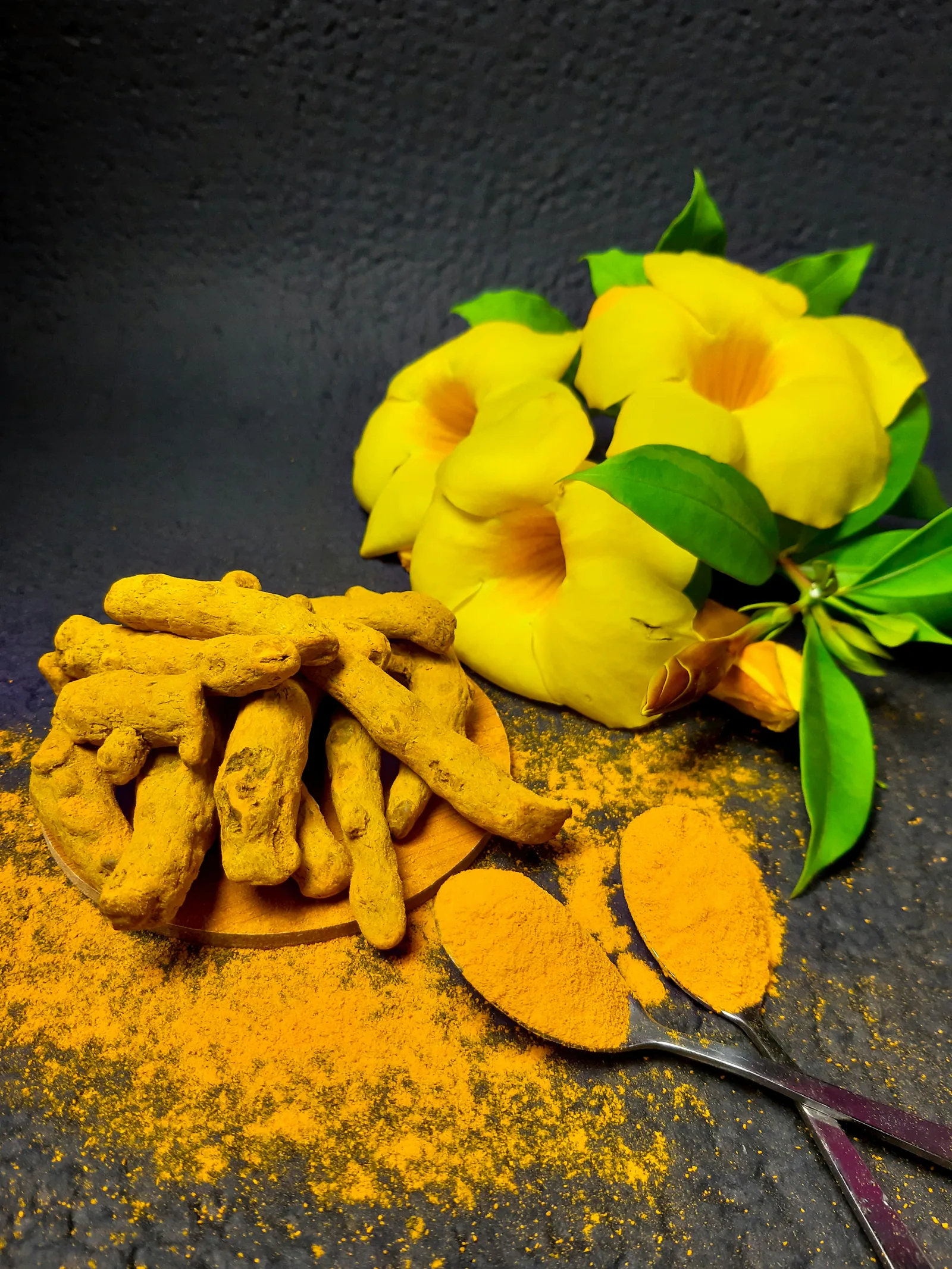
Turmeric is a rhizome related to ginger. Ground turmeric adds deep yellow color and an earthy, warm, slightly bitter flavor to rice, lentils, beans, soups, stews, eggs, vegetables, marinades, and spice blends.
For most four-serving dishes, start with about 1/4 teaspoon of ground turmeric. Cook it briefly in fat with aromatics or other spices, then add liquid before it scorches. Increase the amount only when the dish is designed to feature turmeric.
Turmeric is inexpensive per serving because a small amount can change an entire pot. That strength is also what makes it easy to misuse. Color develops quickly, often before the flavor is balanced, so a dish may look pleasantly golden while already tasting dusty, bitter, or medicinal.
How much turmeric should you use?
The correct amount depends on whether you want color, background warmth, or a clearly recognizable turmeric flavor.
For approximately four servings, use these amounts as starting points:
| Desired result | Ground turmeric |
|---|---|
| Mostly golden color | 1/8 teaspoon |
| Mild background flavor | 1/4 teaspoon |
| Noticeable turmeric flavor | 1/2 teaspoon |
| Turmeric-forward dish | Follow a tested recipe |
These are starting amounts, not universal limits. A large pot of broth can absorb more spice than scrambled eggs, and a strongly seasoned lentil dish can support more turmeric than plain rice.
Add less than you think you need, allow it to cook, then taste the finished dish before adding more. Turmeric is easier to increase than remove.
When to add turmeric
Ground turmeric tastes better when it is briefly heated in fat before liquid is added. This process helps distribute the spice and softens some of its raw, dusty character.
After onions or other aromatics have softened, add turmeric to the oil or cooking fat. Stir it for about 15 to 30 seconds over medium or medium-low heat, just until fragrant, then add broth, water, tomato, coconut milk, or another liquid.
Do not leave turmeric sitting in a dry pan or hot oil for long. Ground spices scorch quickly, and burned turmeric becomes harsh and difficult to repair.
Turmeric can also be mixed directly into:
- Oil before coating vegetables
- A marinade before adding meat
- Broth or sauce when blooming is impractical
- Flour or breadcrumbs for seasoned coatings
- Cooked rice when only a small amount of color is needed
Adding turmeric directly to liquid will still work, but the flavor may remain slightly flatter or more powdery than when it is briefly cooked in fat.
What flavors pair well with turmeric?
Turmeric rarely tastes complete by itself. It works best when other ingredients provide aroma, sweetness, heat, richness, salt, or acidity.
Aromatic ingredients
Onion, garlic, ginger, scallions, and shallots give turmeric a stronger flavor foundation.
Ginger is an especially natural partner because both ingredients are rhizomes, although ginger is brighter, sharper, and more aromatic.
Warm spices
Cumin, coriander, paprika, chile powder, black pepper, cinnamon, cardamom, mustard seed, and fenugreek can add complexity around turmeric's earthiness.
Turmeric is not curry powder. Curry powders are spice blends that often contain turmeric alongside coriander, cumin, fenugreek, chile, and other ingredients. Replacing curry powder with pure turmeric may produce the expected yellow color but not the intended flavor.
Rich ingredients
Butter, oil, coconut milk, yogurt, cream, egg yolk, and fatty cuts of meat help round out turmeric's dry or bitter edge.
Fat does not remove excess turmeric, but it can make a properly dosed dish taste smoother and more complete.
Acidic ingredients
Lemon juice, lime juice, vinegar, tomato, and yogurt can brighten a dish that tastes muddy or overly earthy.
Add acid near the end of cooking and taste after each addition. Too much acid creates a new imbalance rather than fixing the original one.
Sweet ingredients
Carrots, onions, sweet potatoes, squash, coconut milk, and slowly browned vegetables can provide enough natural sweetness to soften turmeric's bitterness.
Avoid adding sugar automatically. Sugar may mask bitterness, but it can also make a savory dish taste strangely sweet without solving the underlying problem.
How to use turmeric in common foods
Turmeric is easiest to learn through small, repeatable applications.
Rice
Start with 1/4 teaspoon of ground turmeric for 1 cup of dry rice.
Cook the turmeric briefly in oil or butter before adding the rice and cooking liquid. Add garlic, onion, cumin, black pepper, or broth for more complete flavor.
Turmeric alone will make rice yellow, but it may taste flat without salt and supporting aromatics.
Lentils and beans
Start with 1/4 to 1/2 teaspoon for a four-serving pot.
Add turmeric after cooking onions, garlic, ginger, or other aromatics, then stir in the lentils, beans, tomato, broth, or water.
Lentils can support more turmeric than many delicate foods because their earthy flavor and thick texture give the spice something to blend into.
Soup and stew
Start with 1/4 teaspoon for a medium pot.
Turmeric works well in chicken soup, vegetable soup, bean soup, lentil soup, and coconut-based stews. Add it early enough to cook into the broth, but avoid judging the final flavor until the soup has simmered.
A spice that tastes strong immediately after being added may soften as it disperses.
Eggs
Use only a small pinch for two to four eggs.
Turmeric colors eggs very quickly, and too much can make them taste chalky. Mix it with salt, black pepper, cheese, onion, or cooked vegetables rather than using it as the only seasoning.
Roasted vegetables
Use approximately 1/4 teaspoon for a sheet pan of vegetables.
Mix turmeric into the oil with salt and other spices before coating the vegetables. Cumin, paprika, garlic, black pepper, and chile work particularly well.
Turmeric can burn on exposed surfaces, so use a moderate oven temperature and enough oil to coat the spice.
Meat and marinades
Start with 1/4 teaspoon per pound of meat when turmeric is a background flavor.
Combine it with salt, garlic, ginger, black pepper, cumin, coriander, chile, yogurt, citrus, or oil. Turmeric should usually support the marinade rather than dominate it.
Sauces
Use a pinch at first.
Turmeric can add color and earthy flavor to coconut sauces, tomato sauces, pan sauces, and yogurt-based mixtures. Because sauces concentrate as they reduce, add turmeric conservatively at the beginning.
Fresh turmeric versus ground turmeric
Fresh turmeric and ground turmeric are related but not interchangeable in flavor or strength.
Fresh turmeric is brighter, juicier, and somewhat closer to ginger. Ground turmeric is more concentrated, earthy, dry, and slightly bitter.
As a rough starting point:
- 1 teaspoon ground turmeric is approximately equal to 1 tablespoon finely grated fresh turmeric
This is not an exact substitution. Fresh turmeric contains moisture and has a fresher aroma, while ground turmeric disperses more evenly and gives stronger color.
Peel fresh turmeric only when necessary. The skin is thin, but any dirt should be scrubbed away thoroughly. Grate or mince it as you would fresh ginger.
Fresh turmeric also stains hands, cutting boards, towels, and plastic more aggressively than many other ingredients.
Why turmeric tastes bitter or medicinal
Turmeric can taste unpleasant for several different reasons.
Too much was added
This is the most common cause. Turmeric is powerful, and a small increase can move it from background seasoning to dominant flavor.
It was not cooked long enough
Raw ground turmeric can taste dusty, chalky, or sharply bitter. Briefly heating it in fat or simmering it in liquid gives the flavor time to integrate.
It scorched
Burned turmeric tastes harsh and acrid. Once scorched, it is difficult to hide with fat, acid, salt, or sweetness.
The dish lacks supporting flavors
Turmeric may taste stronger when the dish is undersalted, low in fat, or missing aromatics and acidity.
The spice is stale
Old turmeric may retain strong color after its aroma has faded. This can encourage the cook to add more, creating bitterness without adding much desirable flavor.
How to fix too much turmeric
Too much turmeric cannot be removed after it has dispersed through a dish. The most reliable correction is dilution.
Add more of the unsalted base
Use whatever already belongs in the dish:
- Cooked rice
- Lentils
- Beans
- Vegetables
- Tomato
- Coconut milk
- Broth
- Water
- Meat
- Plain sauce
Dilution reduces the concentration of turmeric instead of trying to cover it.
After diluting, taste again and restore salt or other seasonings only as needed.
Add fat carefully
Butter, oil, cream, yogurt, or coconut milk can soften the rough edges of a slightly over-seasoned dish.
Fat is most useful when the amount of turmeric is only somewhat excessive. It will not rescue a dish containing several times the proper amount.
Add acid gradually
A small amount of lemon juice, lime juice, vinegar, tomato, or yogurt can brighten a muddy dish.
Add acid in small increments. Turmeric bitterness and excess sourness can exist at the same time.
Add supporting seasoning
If the turmeric amount is reasonable but the flavor feels incomplete, add ingredients that belong in the dish, such as garlic, ginger, cumin, coriander, chile, black pepper, or salt.
This works only when the dish is unbalanced. It does not replace dilution when too much turmeric was added.
Transfer scorched food
If turmeric burned on the bottom of the pan, move the unburned food into a clean pan without scraping the dark residue.
Add fresh liquid or sauce as needed. Burned spice particles will continue spreading bitterness if they remain in the dish.
How to manage turmeric stains
Turmeric stains wood, porous counters, plastic, fabric, silicone, fingernails, and pale cooking utensils.
Use a washable cutting board, wipe spills promptly, and avoid using a favorite white or pale spatula.
For washable food-safe items:
- Rinse promptly with cool or lukewarm water
- Wash with dish soap
- Repeat before allowing the stain to set
- Use sunlight when appropriate for the material
Sunlight can fade some turmeric stains, but follow the item's care instructions. Do not use harsh chemicals on food-contact surfaces without confirming that they are safe for that material.
How to store turmeric
Store ground turmeric in a tightly sealed container away from heat, steam, moisture, and direct light.
Do not keep it directly above the stove, where repeated heat and steam can damage the spice.
Replace turmeric when:
- Its aroma is faint
- It smells mostly woody or dusty
- It adds color but little recognizable flavor
- Moisture has caused clumping
Turmeric's color can remain strong after its flavor has declined, so appearance alone is not a reliable freshness test.
Fresh turmeric should be refrigerated and kept dry. Use it before it becomes soft, shriveled, or moldy.
The practical rule
Start small, cook turmeric briefly, and give it supporting flavors.
For most four-serving dishes, 1/4 teaspoon is enough to provide color and background earthiness. Larger amounts can work, but only when the rest of the dish is built to balance them.
To practice balanced adjustments, continue with How to Taste and Adjust Food While Cooking.