method
Cayenne: Heat by the Pinch
Use tiny amounts of cayenne to add controlled warmth without overwhelming inexpensive everyday meals.
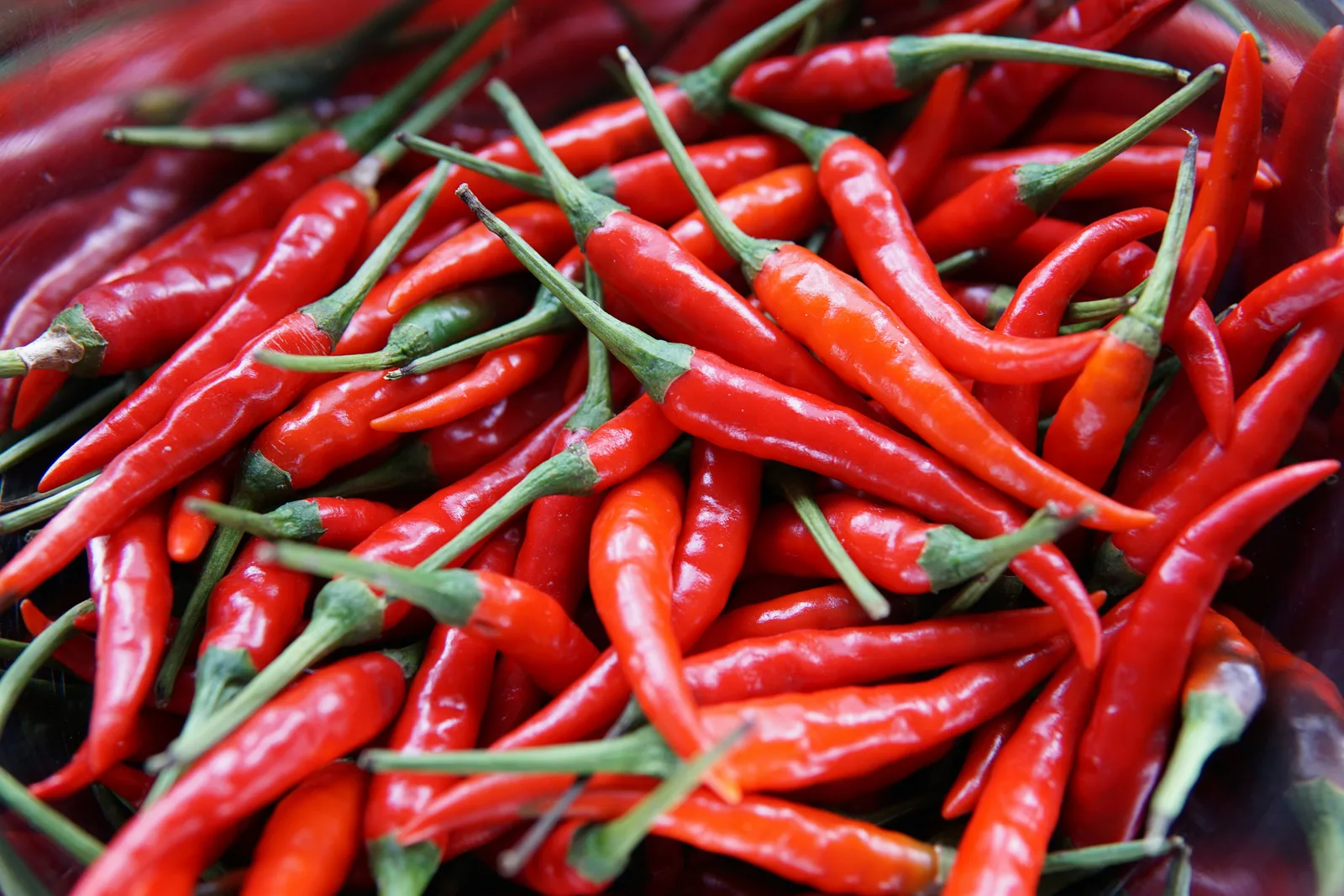
Cayenne is a dried, finely ground hot chile. Cayenne adds heat more readily than it adds a recognizable chile flavor, such as chile blends. That makes it useful for adjusting intensity without introducing the smokiness of chipotle, the fruitiness of some whole chiles, or the cumin and garlic commonly found in chili powder. That makes it useful when a dish needs more intensity without adding smoke, vinegar, cumin, or a strongly recognizable pepper flavor. Used carelessly, however, it can overwhelm every other flavor in the dish.
A small jar can season dozens of meals, multiple pots of chili, and batches of elote-style street corn, but cayenne's compact power demands a less is more mindset. These jars, if kept away from the stove, away from direct sunlight, tightly sealed, and in a dry cupboard can last for a long time. Printed use by dates are not hard deadlines.
How it reacts in different foods
While cayenne pepper is cooking, it reacts differently to food ingredients. Factors such as fat content, amount of liquid, presence of starch, and others can make a small amount stretch or a large amount feel underwhelming.
- Fat helps distribute capsaicin and makes the heat feel broader. Dairy fat can reduce the burning sensation
- Liquids distribute the cayenne throughout the dish easily. Water does not neutralize it but it can dilute it slightly
- Starch and bulk such as potatoes, rice, beans, pasta, and additional vegetables reduce the concentration of the pepper by spreading across more food
- Sugar can make the heat feel less harsh, but it does not remove or neutralize the capsaicin
- Acids brighten and balance heavy dishes but some make chile sensations sharper rather than cooler
- Salt can make the overall seasoning more complete by bringing out other less pronounced flavors, but should not be used as a remedy
Begin below your limit
For a 4 serving family-size pot of soup, beans, sauce, or stew, begin with a small pinch or about 1/16 teaspoon if you are heat-sensitive. Stir thoroughly, let it cook for a few minutes, then taste. Increase in similarly small steps giving ample time for the cayenne to disperse throughout the dish.
The useful amount depends on the cayenne's freshness, the volume of the dish, the fat content, and the people eating it. A measuring spoon is helpful while learning; shaking directly over the pot makes one accidental clump everybody's problem. Precision matters less than beginning with an amount you can still increase, while taste testing as the dish continues cooking.
When to add
Add cayenne early for heat that spreads through the dish as it cooks. Adding the pepper to soups, sauces, and braising liquids has plenty of time to disperse throughout the dish. Important detail about this method is the pepper does not increase in intensity, the seasonings is more evenly distributed and extracted into the surrounding fat and liquid.
Add a tiny amount near the end for a sharper, more obvious spark. Ground chile can scorch in very hot dry oil, so bloom it only briefly before adding other ingredients or liquid. When blooming any hot chile, do not lean directly over the pan. Hot steam, splattering fat, and airborne pepper particles can irritate the eyes, nose, and throat.
Adding cayenne pepper to any dish at the table is useful for people with low heat tolerances but still want the rich flavor. Mild dishes can be served with cayenne, chile oil, or hot sauce separately. This is wonderful for meal prepping as you can add very little to the meal just before eating and not have to worry about the pepper overwhelming the dish while waiting to be eaten.
Use it where contrast helps
Background warmth
Using small amounts of cayenne pepper can bring a small amount of heat and flavor while not overwhelming dishes such as:
- Beans and lentils
- Tomato sauce
- Gravy
- Soups and stews
- Cheese sauces
The goal is to make the dish feel warmer without changing the identity.
Contrast in rich food
Rich dishes benefit from cayenne and keep dishes from feeling flat or heavy including:
- Macaroni and cheese
- Creamy soups
- Cheese dips
- Eggs
- Buttered or roasted potatoes
"Cutting through the fat" is a common culinary term, though technically the cayenne is creating a sensory contrast rather removing or chemically counteracting the fat.
Sweet and hot contrast
Very small amounts of the pepper can give a nice contrast to some sweet foods as well:
- Chocolate cake or brownies
- Hot cocoa
- Candied nuts
- Sweet potato dishes
- Honey-based glazes
At low levels, cayenne should make rich, sweet, or earthy food feel more vivid before it makes the dish taste distinctly hot. Use sparingly when incorporating into sweet foods.
Fix too much heat
The most reliable fix is dilution: add more beans, tomatoes, broth, dairy, starch, or another unsalted base ingredient. Dairy and other fats can soften the sensation, while a little sweetness may round the edges. Water alone spreads the same amount of capsaicin through a thinner dish and may make the food bland without solving it.
Serve dairy-rich or fatty accompaniments such as yogurt, sour cream, cheese, or avocado. Rice, bread, potatoes, and tortillas provide unseasoned food that lowers the concentration in each bite. A small amount of sugar or honey may balance harshness, but sweetness does not neutralize capsaicin.
Common Mistakes
There are some common mistakes that most people make when using cayenne pepper. Luckily, with the correct knowledge, you can avoid or mitigate these. Some of the mistakes you will see the most include:
- Shaking directly over the pot can introduce moisture into the container and one accidental shake or loose lid can ruin the batch.
- Cayenne can collect on the surface, in fat, or in one portion of a thick dish. Stir thoroughly and give the pepper enough time to distribute before tasting and adding more
- Cayenne tends to burn quickly in hot oil becoming bitter or irritating. Add over moderate heat, bloom briefly, and follow with a liquid or moist ingredients.
- Sugar can make a hot dish taste both sweet and hot simultaneously. Dilution is the dependable correction in these instances.
Substitute by knowing the blend
Red pepper flakes add visible pieces and uneven bursts of heat. These are usually less distributed than a finely ground cayenne. These flakes work well with sauces, sautéed vegetables, pizza, and oil-based dishes. Crushing red pepper flakes before use can create a closer substitute to ground cayenne.
Hot sauce normally adds vinegar, other liquids, or another acid as well as salt. Hot sauce works well as a table-top finishing adjustment. Adding hot sauces may thin or noticeably alter delicate sauces. When adding large amounts of hot sauce to a dish, be sure to adjust the salty and acidic ingredients to compensate for this addition.
Chili powder is usually a blend with cumin, garlic, herbs, and milder chiles. When heat alone is the goal, this is not a direct substitution for cayenne pepper, as it usually requires considerably more powder. This can also change the dishes flavor more broadly, rather than some heat.
Chipotle powder should be used when the dish needs more of a smoky flavor. While these can be confused with some chile powder, they can vastly differ in taste.
Hot paprika can add both red pepper flavor and heat to a dish. Paprika will also give the dish more color than cayenne. These hot varieties should never be used as a substitute for sweet paprika as their ingredients, therefore heat value, can range from mild to incredibly spicy. Be sure to taste the blend you are using before adding to a dish to avoid creating too much heat in the dish.
Use any of them to achieve the desired result, but taste before adding so you are aware of the extra jobs they may perform. Substitute according the job that the cayenne pepper was performing: direct heat, chile flavor, smoke, acidity, visible texture, or any combination.
Wear gloves when handling large quantities of hot chile, avoid touching eyes, and clean spills with care. Then meet another pantry heavyweight in Paprika: Flavor, Color, and Warmth.