method
How to Brown Meat and Vegetables Properly
Use dry surfaces, enough room, patient contact, and responsive heat to create real browned flavor.
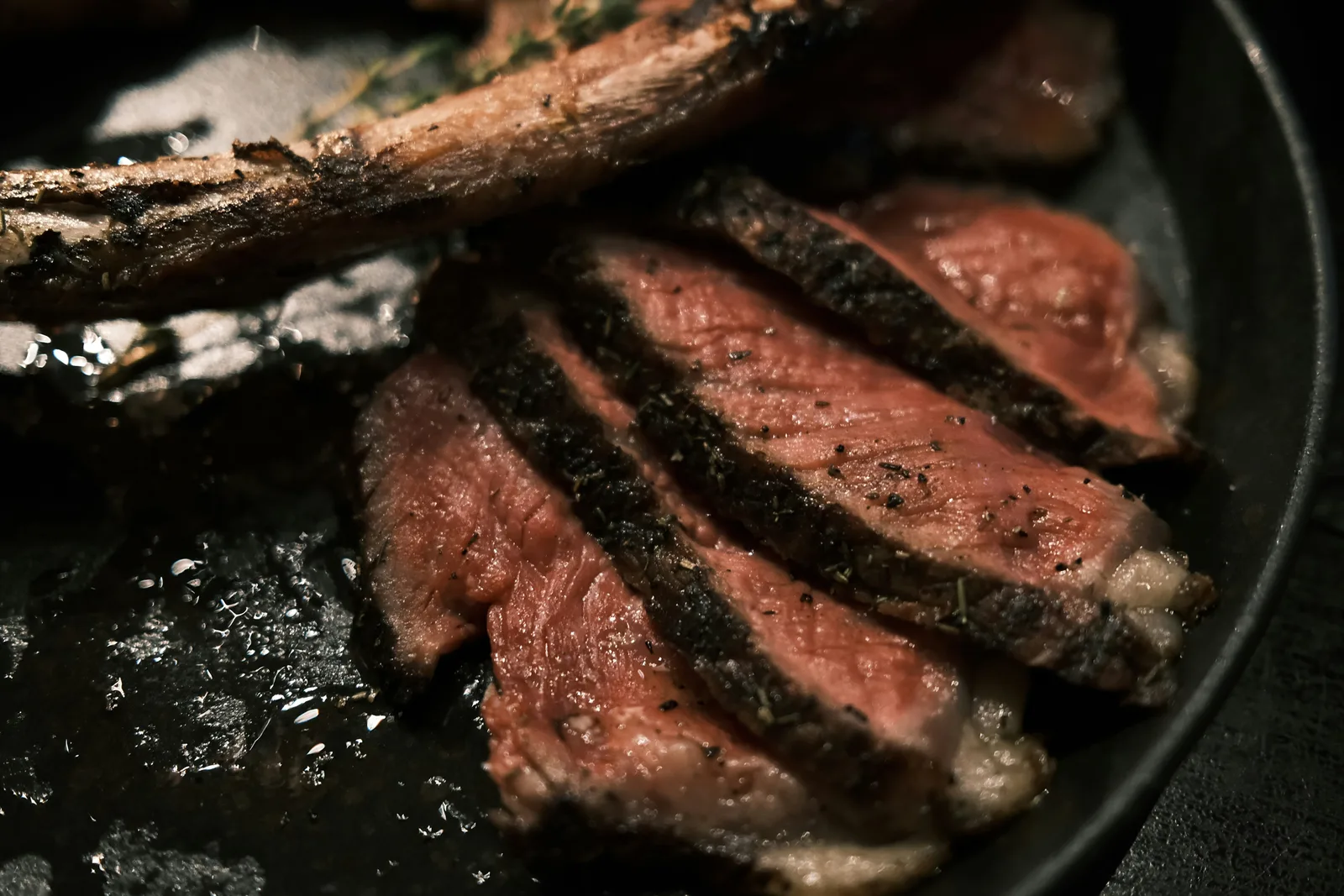
Browning is a chemical process known as the Maillard reaction, in which amino acids and sugars in food react under heat. This process creates complex flavors and beautiful brown colors. Browning does more than cook meat to a safe temperature; it builds a deeper flavor profile.
When food steams instead of browning, the problem is usually not just one problem such as a weak stove. The surface is too wet, or the pan is too crowded, or the food is moving too often, or the pan temperature collapsed after loading, or any combination of these. These problems can overlap creating a disaster waiting to happen.
What browning requires
Browning happens efficiently after surface water evaporates. Until then, much of the pan’s energy is busy turning the food's water into steam. Drying food before placing in pan and leaving open space gives that moisture somewhere to go. Overcrowding the pan removes some of the area for the moisture to go and can also cool the pan down below required temperature.
The repeatable method
- Pat proteins dry. Let washed vegetables drain well; a towel or salad spinner can help.
- Cut pieces to a similar size so they finish together.
- Preheat the pan over medium or medium-high heat.
- Add a thin film of cooking fat suited to the heat and flavor, then a single test piece.
- Add the remaining food in one uncrowded layer. Work in batches when necessary.
- Leave food in contact with the pan until the underside develops color and releases more easily.
- Turn only as needed. Restore heat between batches and remove loose black residue.
Different foods, same principle
Mushrooms and zucchini release abundant water and may require additional cook time as a result. Give them more room and delay salting until browning is underway. Ground meat often arrives wet and tightly packed; spread it out, let one side brown, then break it into smaller pieces. Chicken skin needs dryness and long, uninterrupted contact.
Onions can brown at moderate heat after their moisture cooks away. Rushing with high heat tends to blacken the edges while the center remains sharp and raw.
Fix the pan you have
If liquid pools in the pan, move the food to the edges or remove half of it. Let the liquid boil away, then return the food. If residue darkens too quickly, reduce the heat and add a spoonful of water to dissolve the brown bits before they burn—provided the food itself is nearly browned.
Do not confuse blackening with flavor. Brown residue smells toasted and savory; burned residue smells sharp, smoky, and bitter.
Why batches are worth it
Two short batches often finish faster than one crowded batch because each spends less time boiling in its own liquid. The brown bits left behind can be dissolved with water, stock, or another cooking liquid and folded into the finished dish.
Next, see Why Potatoes Do Not Get Crispy for the extra role starch plays in crust formation.