lesson
Flour Is More Than a Baking Ingredient
Use inexpensive flour to thicken sauces, build crisp coatings, make dough, and understand structure in everyday food.
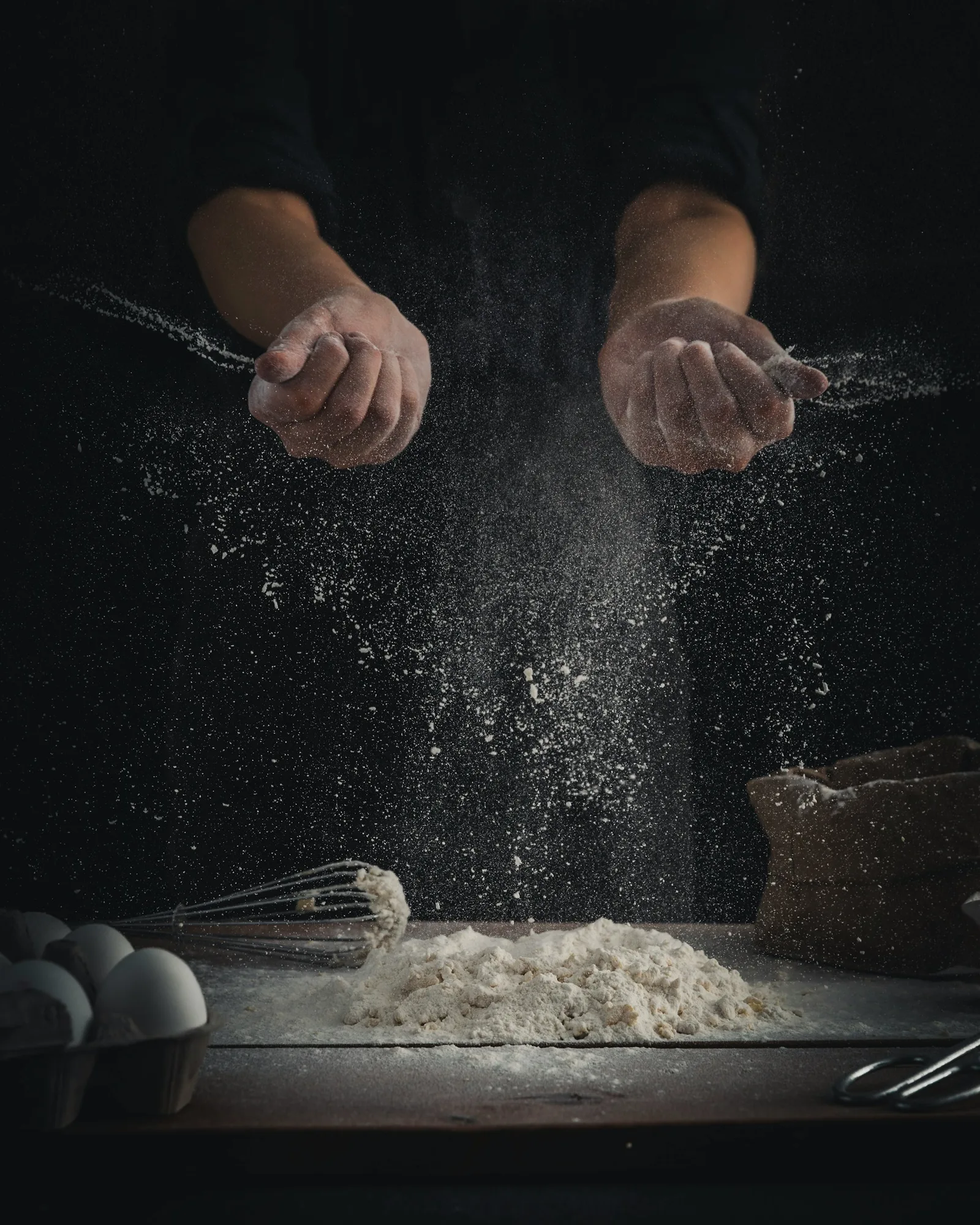
Flour is cheap stored potential. Mixed with water, its proteins can form an elastic gluten network. Heated with liquid, its starch absorbs water and thickens. Dusted onto moist food, it creates a dry surface that browns and crisps. Those three behaviors explain most of its everyday jobs. Keeping these three uses in mind can expand your recipe rolodex.
Thicken with starch
For gravy, béchamel, or a pan sauce, cook flour in roughly the same amount of fat to make a roux. A tablespoon each of fat and flour can begin thickening about a cup of liquid, though the final result depends on the flour, cooking time, and desired texture. Whisk in liquid gradually and simmer long enough to remove the raw flour taste.
You can also coat stew meat lightly in flour before browning, then add liquid. The flour left in the pot thickens the sauce as it simmers. Do not add a large spoonful of dry flour directly to hot broth; the outside gels before the inside disperses, creating lumps. If adding flour to thicken a stew, either make a roux with melted butter and flour and add it in small spoonfuls, leaving a few minutes between additions, or use a sifter to dust a small amount of flour over the surface before stirring it in.
Create a dry surface
A thin flour coating on chicken, fish, beef, or even vegetables can create a light crunch. Pat the food dry, season it, dredge with flour, and shake off any excess. For best results, continuously flip or roll proteins in dry flour until no more flour sticks. Shaking off all excess keeps your pan clearer of residue that can burn.
Flour is not glue: a heavy coat becomes dusty or gummy. For a thicker crust, build deliberate layers with flour, egg, and crumbs.
Flour also keeps soft dough from sticking, but every extra handful changes that dough. Dust the work surface sparingly and use a scraper before adding enough flour to make bread tough.
Build structure
Add water and agitation to wheat flour and gluten begins to form. Bread needs enough development to trap gas from yeast. Yeast needs enough sugar to eat to create the gas. Cake and muffin batters need less manual labor, because too much gluten makes them chewy or tunneled. That is why bread is kneaded while muffins are mixed just until combined.
Flours can come in all sorts of different grain types and use cases:
- All-purpose flour is the useful default and can be used almost interchangeably with other flours.
- Bread flour has more protein and usually makes chewier or tougher dough. It can substitute for all-purpose flour in many breads but is not recommended as a substitution in desserts.
- Cake flour has less gluten and makes tender cakes or fluffier sweet breads.
- Whole-wheat flour includes more of the grain, absorbs more water, and brings a stronger flavor.
- Rye flour has less gluten-forming potential than wheat flour and provides a distinctive whole-grain option. Rye breads have a bolder, malty or nutty flavor compared with whole wheat's milder presence.
These flours can sometimes substitute for one another but are never a 1:1 ratio exchange. The texture, water requirement, and amount of proof time will change depending on the grain type.
Substitute by job
Cornstarch can thicken a glossy sauce but does not alone build bread structure. Oats can add body to the dough but will not create the same elasticity. Gluten-free blends are formulated for different jobs; one blend may work for cake and fail for yeast bread. Generally speaking, the more specialized the flour type, the fewer uses it will have in the kitchen. Ask what the flour is doing to the dish before replacing or substituting it.
Store flour sealed, cool, and dry. Whole-grain flour spoils faster because it contains more oils. Flour can be frozen if bought fresh and separated into an airtight container, though it is not recommended. Continue with How to Thicken a Sauce, Soup, or Stew or compare baking soda and baking powder.